The Hidden Damage Caused by Skipping Regular Power Washing
The Hidden Problems Caused by Not Power Washing Your Home
Homeowners across Morris, Essex, Union, and Passaic counties who want to protect their siding, decks, walkways, and overall property value often struggle with one big problem: cleaning the exterior never feels like a priority, until something goes wrong. The longer surfaces go without routine washing, the more mold, algae, pollutants, and grime quietly break them down, leading to repairs that cost far more than a simple cleaning. Inside Out Painting understands how quickly New Jersey weather can turn small maintenance tasks into major headaches, and our team helps homeowners stay ahead of that damage with safe, professional power washing that preserves your home for the long run.
Why Skipping Power Washing Causes Hidden Damage
It’s easy to ignore subtle dirt on your siding or a little green film on the deck. But those “small” issues grow fast, especially in New Jersey’s damp springs, humid summers, and leaf-heavy falls. Beneath that grime is an active chain reaction that eats away at the materials protecting your home.
1. Accelerated Deterioration of Exterior Surfaces
New Jersey’s mix of humidity, rainstorms, pollen, and winter debris creates the perfect environment for buildup. What seems like simple dirt contains acidic pollutants and organic matter that actually break down surfaces.
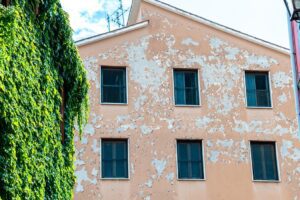
Siding + Paint Breakdown
- Homeowners in towns like Montclair, Bloomfield, and West Orange often notice streaks or fading long before they see the underlying issue: grime causes premature paint failure and makes vinyl brittle enough to crack.
Once the siding’s protective layer fails, moisture creeps in, and that’s when repairs get expensive.
Wood Rot on Decks and Fences
Mold and mildew feed on organic materials. If you’ve ever stepped onto a deck in mid-summer and noticed soft boards, that’s the early stage of rot caused by trapped moisture and organic buildup.
Roof Damage
- Algae, which causes those black streaks common on NJ roofs, feeds on the limestone filler in asphalt shingles. Over time, you lose granules, shingles loosen, and water sneaks into the decking. Homeowners often think they need a full roof replacement when a soft wash would have prevented the deterioration.
Concrete + Masonry Issues
Driveways and walkways become slippery algae pads after rainy weeks. Dirt traps moisture in concrete, leading to cracks during freeze–thaw cycles, a major problem in places like Verona, Maplewood, and Livingston.
2. Health + Safety Hazards
Skipping regular washing doesn’t just damage your home; it affects the people living in it.
Respiratory Problems
- Mold spores on exterior walls and decks get tracked inside by wind, pets, and foot traffic. Families with asthma or allergies feel it first, especially during high pollen months in NJ.
Slip-and-Fall Risks
Algae and moss make walkways dangerously slick. A wet, shaded driveway after a storm can be more hazardous than you’d think. For condo associations and multi-family properties, this becomes a major liability issue.
3. Decreased Property Value + Higher Repair Costs
- Buyers can instantly tell when a home exterior hasn’t been maintained. Even minor neglect can reduce perceived value by 5–10%, which amounts to thousands of dollars in towns like Florham Park, Millburn, or Short Hills.
Avoidable High-Cost Repairs
When mold spreads or siding fails, homeowners move from cleaning to replacement. Full siding replacement or repairing structural wood rot can easily run into five figures.
Voided Warranties
- Manufacturers often void warranties if high-pressure washing is done incorrectly. Roof shingles are especially sensitive. This is why professional soft-washing techniques matter.
Why Do These Problems Happen? (A Quick Science Breakdown)
- Dirt isn’t neutral; it’s acidic.
- Organic growth holds moisture, which weakens materials.
- Pollutants bond to paint films and break them down.
- Algae on roofs feeds on limestone fillers.
- Freeze–thaw cycles exploit any trapped moisture.
Skipping power washing lets all of this run unchecked for years.
Commonly Asked Questions
Can power washing damage a house?
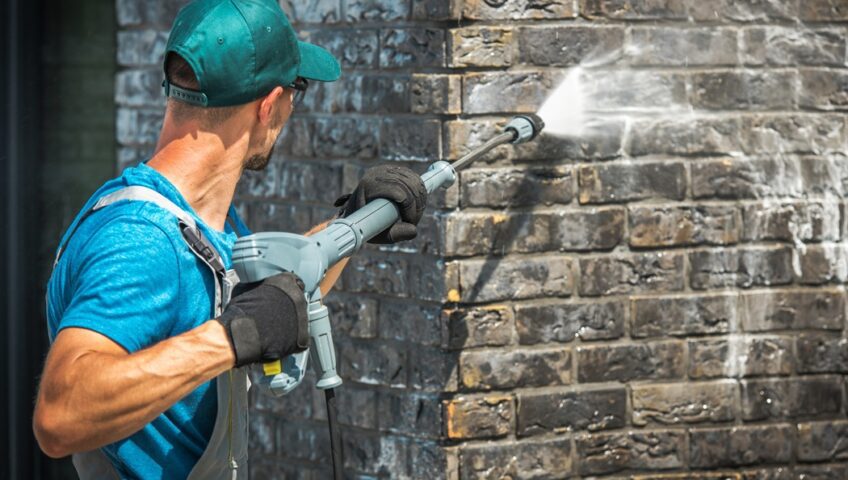
Yes, if done incorrectly. High pressure can strip paint, gouge wood, crack siding, and void warranties. Professional soft washing prevents this while still removing grime.
What are the hazards of using a pressure washer?
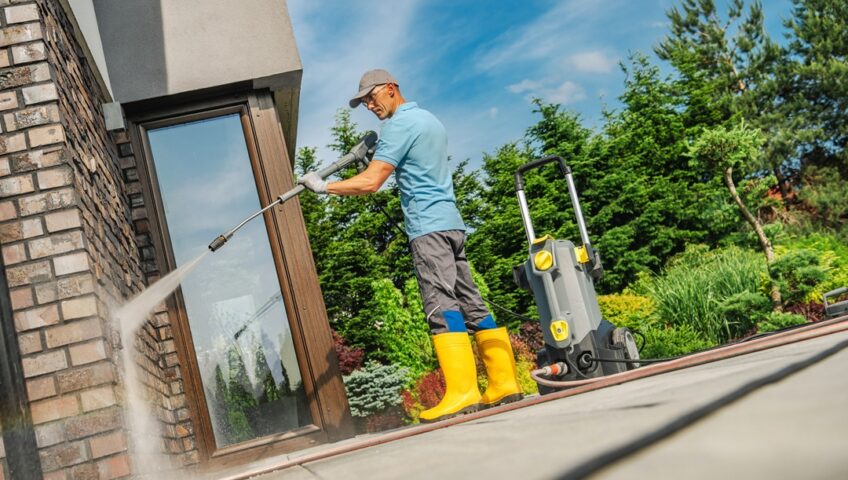
Kickback injuries, chemical burns, slips, electrical hazards, and property damage are common. Many DIY units blast too hard for siding or decks.
What are OSHA guidelines for pressure washing?
OSHA recommends PPE, stable footing, eye/ear protection, proper chemical handling, safe ladder use, and avoiding electrical exposure. Pros follow these standards on every job.
How do you pressure wash a house without damaging it?
Use low pressure, the correct cleaning agents, soft-wash methods for siding and roofs, and avoid aiming water upward where it can get behind panels. When done professionally, damage is avoided entirely.
The Cost of Skipping Power Washing in New Jersey
Here’s the thing: homeowners often wait until the siding looks “dirty enough”, but by then, the damage is already underway.
Skipping regular power washing leads to:
- Shortened lifespan of paint and siding.
- Muddy, slippery walkways.
- Roof wear that makes replacements come sooner.
- Deck boards softening or rotting.
- Higher humidity and airborne mold around the home.
- A dull, aged-looking exterior.
And the worst part? These issues build up quietly.
How Often Should NJ Homeowners Power Wash?
General guideline:
- Siding: once a year.
- Decks and fences: once a year.
- Driveways + walkways: every 1–2 years.
- Roofs: every 2–3 years with soft washing
Homes surrounded by trees or shade (very common across Morris and Essex counties) often need more frequent care.
Why Inside Out Painting Is the Trusted Choice for Power Washing

Homeowners choose Inside Out Painting because:
- Their technicians are full-time professionals, not seasonal hires.
- They use the correct soft-wash methods for delicate surfaces.
- They understand local NJ home materials: older cedar siding, vinyl, stucco, and mixed masonry.
- They perform free estimates and final walk-throughs before payment.
A lot of companies “blast and go.” Inside Out Painting takes the time to do it safely and with care for your property. If the idea of juggling equipment, chemicals, ladders, and safety feels overwhelming, their team handles everything so your home stays protected year-round.
Regular power washing isn’t cosmetic, it’s essential maintenance. The damage that happens underneath dirt and algae is real, and in New Jersey’s weather conditions, it accelerates faster than most homeowners realize.
Ready to protect your home from hidden damage? Contact Inside Out Painting for safe, professional power washing. For more information, call: 973-743-8800