Ways Decorative Painting Adds Character to Modern Homes
If you’re a New Jersey homeowner who loves the clean look of a modern interior but worries your rooms feel too plain, cold, or “builder basic,” decorative painting can bridge the gap. Modern homes often rely on neutral walls and simple architectural lines, which look polished but can leave spaces short on personality.
Instead of filling every empty area with furniture or expensive décor, carefully curated paint techniques can add color, texture, depth, and individuality. Inside Out Painting helps homeowners throughout Morris, Essex, Union, and Passaic Counties use custom decorative painting to make contemporary spaces feel more personal without losing their clean, modern appeal.
How Does Decorative Painting Add Character to a Modern Home?
Decorative painting adds character by introducing intentional color, contrast, texture, pattern, and focal points to otherwise simple spaces. It can highlight architectural features, visually divide an open floor plan, make ordinary furniture feel custom, and give a room an identity without requiring major construction. That distinction matters.
A modern room does not necessarily need more stuff. Often, it needs one or two features that give your eye somewhere interesting to land. Here are some of the most effective ways to accomplish that.
1. Turn a Plain Wall Into an Intentional Focal Point
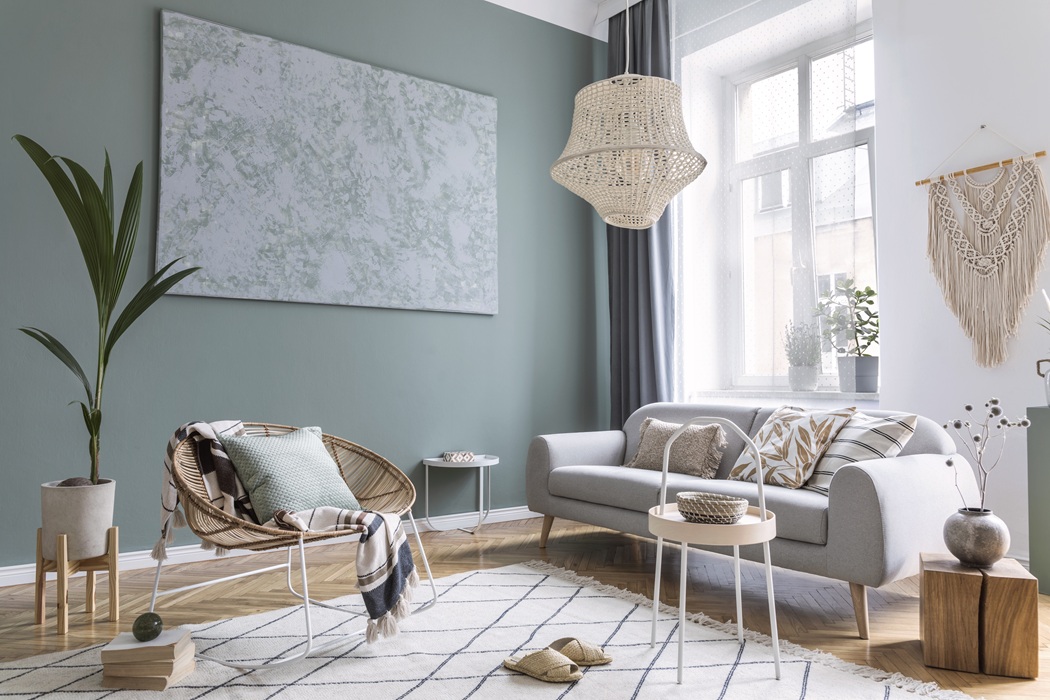
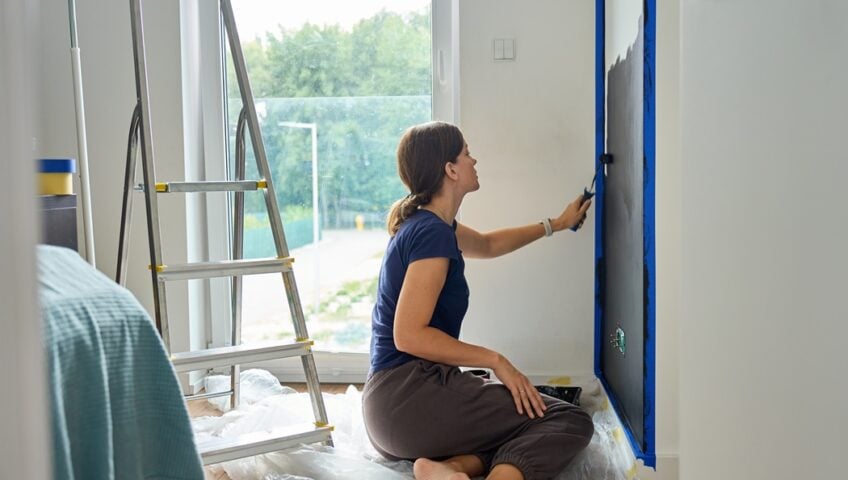
- Accent walls remain one of the simplest ways to introduce personality, but the modern version goes beyond randomly painting one wall a darker color. The best focal wall usually has a reason to be emphasized. It might sit behind a bed, fireplace, dining table, built-in shelving, or living room sofa.
Deep navy, charcoal, forest green, muted terracotta, and other saturated shades can contrast well with neutral surroundings. The result is depth without making the entire room feel busy. One warning, though: not every wall makes a good accent wall. Recent design commentary has highlighted how poorly positioned feature walls can make rooms feel unbalanced rather than more sophisticated. Before choosing one, consider what you notice when you enter the room.
2. Use Color Blocking to Give Open Spaces Definition
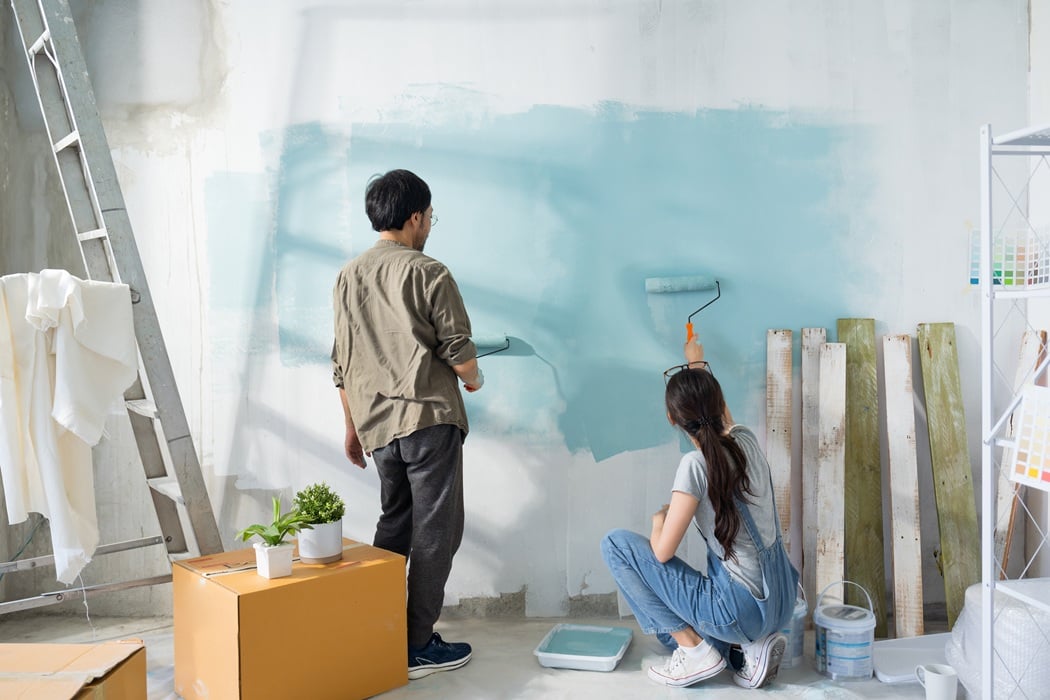
- Open-concept homes are bright and flexible, but sometimes the kitchen, dining area, living room, and workspace begin to blend together. Color blocking can solve that problem without adding physical walls. Geometric blocks, horizontal bands, arches, or carefully positioned sections of contrasting color can visually identify separate areas. Sherwin-Williams, for example, describes color-blocked accent walls as a way to create a bold modern statement.
You could paint a defined section behind a home-office desk, frame a breakfast nook with color, or use a painted arch behind shelving. The key is restraint. One thoughtfully placed block often looks much more sophisticated than several competing patterns.
3. Paint the Trim Instead of Automatically Choosing White
- White trim is a classic choice, but it is not your only option. Contrasting baseboards, window casings, crown molding, or door frames can completely change how a modern room feels. For example, imagine soft warm-white walls with muted charcoal trim. The room remains simple, but suddenly every architectural line becomes more noticeable. Alternatively, painting trim a slightly deeper version of the wall color can produce a subtle, tailored effect.
Benjamin Moore maintains dedicated color recommendations for interior doors and trim, reflecting how these architectural details can become part of a room’s overall color palette rather than merely disappearing into the background. This approach can work particularly well in North Jersey homes that combine older architectural details with updated, contemporary interiors.
4. Give Interior Doors Their Own Personality
- Doors take up surprising visual space. Painting interior doors charcoal, navy, olive, taupe, or another coordinating shade can add personality to an otherwise neutral hallway or room. Instead of treating the doors like background elements, decorative painting makes them part of the design.
This works especially well when a long hallway has several identical white doors. A darker finish can introduce rhythm and contrast without requiring artwork on every wall. For an even more cohesive effect, the door and surrounding trim can be painted together.
5. Add Depth With Decorative or Textured Finishes
Character does not always have to come from bold color. Custom decorative finishes can create visual texture that flat paint alone cannot provide. Depending on the room and desired style, homeowners may consider subtle specialty finishes that provide movement, variation, or an aged appearance. This can be especially effective in:
- Dining rooms
- Powder rooms
- Entryways
- Fireplace surrounds
- Feature walls
- Home offices
The trick is matching the finish to the architecture. A dramatic treatment covering every wall in a minimalist room can quickly become overwhelming. Used selectively, however, texture provides exactly the contrast that sleek furnishings and straight architectural lines often need.
Inside Out Painting offers a range of custom and decorative painting services, including custom finishes for both interior surfaces and furniture.
6. Use Two-Tone Paint to Make Built-Ins and Cabinetry Stand Out
- Not every kitchen or bathroom needs a complete renovation to feel more customized. A kitchen island painted deep blue, sage, charcoal, or another contrasting color can anchor an otherwise neutral kitchen. Bathroom vanities, built-in cabinets, bookcases, and storage units can receive similar treatment.
This is particularly useful when homeowners like the overall layout of a room but feel everything blends together. Instead of replacing perfectly functional cabinetry, paint can create a new focal point at a much smaller scale than a full remodel.
7. Transform Ordinary Furniture With Custom Finishes
- Decorative painting does not have to stop at the walls. Inside Out Painting also offers custom finishes for furniture, opening another way to bring personality into modern interiors. An older dresser, console, cabinet, or side table may have the right proportions but the wrong finish.
A custom painted treatment can help it coordinate with the rest of the room while giving homeowners something more individual than another mass-produced piece. This is particularly useful when mixing older furniture into newer homes. Rather than making everything match perfectly, one refinished piece can provide the slightly unexpected element that makes a room feel collected instead of copied from a showroom.
8. Highlight Architectural Details Instead of Hiding Them
Decorative painting is especially effective when a house already has interesting details. Consider drawing attention to:
- Wainscoting
- Crown molding
- Ceiling details
- Built-in bookcases
- Fireplace surrounds
- Wall paneling
- Niches and alcoves
A Morris County homeowner updating an older property, for example, might want a cleaner contemporary palette without erasing the craftsmanship that gives the house its identity. Using contrasting or tonal paint keeps those original details noticeable while the rest of the room feels more modern.
How Can You Give a Modern House More Character Without Making It Look Cluttered?
Start with one dominant decorative feature per room, then allow the surrounding finishes to support it. If you install a dramatic color-blocked wall, you probably do not also need contrasting trim, multiple painted doors, patterned furniture, and several additional accent colors in that same space.
Modern interiors benefit from breathing room. One practical approach is:
- Identify the room’s strongest existing feature.
- Decide what you want the eye to notice first.
- Choose one primary decorative paint treatment.
- Repeat one or two related colors elsewhere.
- Keep the remaining surfaces simpler.
The objective is personality, not visual noise.
What Is the 3-5-7 Rule in Decorating?
- The 3-5-7 rule is a styling principle based on arranging decorative objects in odd-numbered groups—usually three, five, or seven—to create a composition that feels less rigid and more visually interesting. While it is primarily used for furniture, artwork, shelves, and accessories, the same idea offers a useful lesson for decorative painting: perfect symmetry is not always necessary.
For example, a color-blocked design does not have to divide a wall perfectly in half. A painted accent can sit deliberately off-center behind a reading chair or console. That little bit of asymmetry can make a modern room feel more natural and less staged.
How to Choose the Right Decorative Painting Idea
- Before committing to a finish, consider three things: architecture, lighting, and permanence. Natural light can make the same paint color appear very different from morning to evening. Existing flooring, furniture, cabinetry, and countertops also influence how a color reads.
Then think about how long you want the feature to last. If you enjoy changing décor often, a simple accent wall or painted door may offer enough flexibility. If you want a defining feature that becomes part of the home’s identity, custom finishes or detailed architectural painting may make more sense.
- Testing colors and planning placement beforehand can prevent an idea that looked great online from feeling completely different once it covers an entire wall.
Professional Decorative Painting Can Make the Difference
- Decorative painting tends to reveal imperfections more easily than standard wall painting. Color blocking requires crisp edges. Dark trim makes inconsistent brushwork obvious. Specialty finishes need consistency across an entire surface. Preparation matters just as much as the decorative technique itself.
Inside Out Painting’s interior painting process includes surface preparation such as filling cracks and holes, sanding where necessary, caulking trim gaps, sealing stains, priming repaired areas, and completing a final inspection. That attention to detail becomes especially important when the paint itself is intended to be a design feature.
Make a Modern Home Feel Like Your Home
Modern design does not have to mean white walls, neutral furniture, and rooms that look nearly identical to everyone else’s. A contrasting door, carefully positioned accent color, custom furniture finish, painted architectural detail, or textured focal wall can give a room character while preserving the clean simplicity that makes contemporary design appealing in the first place.
For New Jersey homeowners who want something more personal than a standard paint job, Inside Out Painting can help develop and execute a decorative finish that works with the home’s architecture and your individual style. The company’s full-time professional painters serve homeowners throughout Morris, Essex, Union, Passaic, and surrounding areas.
Ready to add more character to your home? Contact Inside Out Painting at 973-743-8800 to discuss your decorative painting ideas and request a free estimate.
Commonly Asked Questions

How do you add character to a modern house?
Use selective color, contrasting trim, painted doors, textured finishes, architectural details, and one or two strong focal points. The goal is to introduce visual interest without overcrowding the simple lines that define modern interiors.
Is decorative painting still popular in modern homes?
Yes. Contemporary decorative painting tends to emphasize restrained techniques such as color blocking, tonal finishes, painted architectural details, statement doors, and carefully selected accent areas rather than heavily ornamented treatments.
What colors add character to a neutral home?
Navy, forest green, charcoal, terracotta, muted blue, sage, and warm earthy shades can all introduce personality. The best choice depends on natural light, flooring, furniture, and the undertones already present in the room.
Can decorative painting make a room look bigger?
It can influence how a space feels visually. Strategic color placement, continuous colors, or carefully positioned blocks can define areas and change the perception of proportions, while poorly placed high-contrast treatments can make a room feel more divided.