Deck restoration project in a New Jersey backyard showing repaired wood boards

Deck Restoration vs Replacement: Which One Is Right for Your Home?

Deck Restoration vs Replacement? What Homeowners Need to Know

Outdoor decks are one of the most cherished extensions of a home, especially during warm weather months in New Jersey. But exposure to sun, rain, snow, and foot traffic can wear them down over time. When your deck begins to show signs of age, you might wonder: Should I replace my deck or restore it? This article dives into the crucial comparison between deck restoration vs replacement, helping you evaluate the right path forward for your home.

Deck Restoration: Reviving Your Existing Deck

Deck restoration involves repairing, cleaning, staining, and sealing your existing deck to bring it back to life. This is ideal for homeowners whose decks have surface damage but still have a solid structural foundation.

How to Restore a Wood Deck

  • Perform a deck safety inspection to check for rot, splinters, and loose nails.
  • Replace damaged or decayed boards (deck board replacement).
  • Use power washing or sanding to remove grime and old finishes.
  • Apply high-quality sealant or stain to protect the wood and improve its appearance.

Benefits of Deck Restoration

  • Cost-effective: The cost to restore a deck is significantly lower than replacing it entirely.
  • Time-efficient: Restoration takes less time than a complete rebuild.
  • Environmentally friendly: Less material waste and fewer resources used.
  • Extend the life of your deck: With proper care, restoration can add 5–10 years to your deck’s life.

Deck Refinishing Tips

  • Choose a durable stain or sealant suitable for New Jersey’s climate.
  • Regular cleaning and sealing every 2–3 years is key.
  • Consider pressure-treated deck restoration for added longevity and pest resistance.

Deck Replacement: Starting Fresh

When a deck is beyond repair, deck replacement is a safer and more sustainable choice. This involves completely tearing down the existing structure and rebuilding from scratch, often with improved materials.

When to Replace a Deck

Not sure when to replace a deck? Watch for these warning signs:

  • Significant rot or mold under the deck or on framing.
  • Wobbly or unstable structure.
  • Cracked, warped, or missing support posts.
  • Rusted or corroded fasteners.
  • Deck is more than 20–25 years old (typical deck life expectancy).

Pros and Cons of Deck Replacement

Pros:

  • Completely new structure that meets current safety codes.
  • Opportunity to switch to composite deck replacement materials.
  • Customized layout and design options.

Cons:

  • Higher cost to replace a deck.
  • Takes longer to complete.
  • Larger environmental impact due to material disposal.

If you’re simply fixing an old deck to make it functional again, restoration is likely your best bet. However, if you’re undergoing a broader deck remodeling project to change the layout or upgrade the material, replacement may be more suitable.

Environmental Impact of Deck Replacement

While replacing a deck often means improved aesthetics and safety, it’s important to weigh the environmental impact of deck replacement. Disposing of old lumber and using new materials contributes to your carbon footprint. Whenever possible, consider reusing salvageable parts or opting for sustainable composite decking.

DIY Deck Restoration vs. Hiring a Contractor

DIY deck restoration might be tempting for handy homeowners. But without the right tools or experience, mistakes can lead to costly repairs down the line. Tasks like deck safety inspection, choosing the right stain, and repairing substructures require professional insight.

Hiring a contractor for deck work ensures:

  • Accurate damage assessment.
  • Use of quality materials.
  • Proper permits and code compliance.
  • Long-lasting results.

Deck Maintenance Options to Extend Its Life

Regardless of your choice between restore vs replace deck, consistent maintenance is crucial. Some popular deck maintenance options include:

  • Annual inspections.
  • Seasonal cleaning.
  • Resealing and staining.
  • Replacing worn-out boards and fasteners.
  • Trimming nearby vegetation to prevent moisture retention.

Conclusion: Let NJ Paints Help You Make the Right Choice

DIY wooden deck construction

Whether you need deck restoration to breathe new life into your current deck or a full deck replacement to start anew, NJ Paints is here to help. Our experienced team specializes in deck refinishing, board replacement, and full deck renovation projects. We also provide expert painting, power washing, and custom decorative painting services across New Jersey.

Ready to bring your deck back to life or explore your replacement options? Contact NJ Paints today at 973-743-8800, or email us at insideoutpainting@hotmail.com to schedule your deck inspection and get a free quote.

Let our professionals help you choose the right path and ensure your outdoor space remains safe, beautiful, and functional for years to come.

Power washing exterior siding on a New Jersey home for deep cleaning results

How is Power Washing Different From Soft Washing?

Power Washing vs. Soft Washing: Which Method Is Right for Your Home?

When it comes to cleaning the exterior of your home, choosing the right method can make all the difference. Two of the most common techniques—power washing and soft washing—might seem similar at first glance, but they serve different purposes and require different tools, pressure levels, and chemicals. Understanding the difference between power washing and soft washing is essential if you want to protect your home’s surfaces and get the most effective results.

In this guide, we’ll explore power washing vs soft washing, highlight their applications, and explain when to use each method for your deck, siding, roof, and driveway.

Power Washing Explained

Power washing uses high-pressure water—often with heated water—to blast away dirt, grime, mold, mildew, and stains from hard surfaces. This method is highly effective for durable surfaces that can withstand high-pressure cleaning, such as:

  • Concrete driveways
  • Brick walkways
  • Stone patios
  • Metal fences
  • Decks with sealed surfaces

Power washing for driveways is particularly popular because it quickly removes oil stains, tire marks, and built-up dirt, restoring the original look of your concrete. If your surface is robust and heavily soiled, power washing can deliver dramatic, fast results.

Power Washing vs. Pressure Washing

Although the terms are often used interchangeably, there’s a subtle distinction. Power washing typically involves heated water, whereas pressure washing refers to cold water cleaning at high pressure. The heat in power washing helps break down stubborn substances like grease, making it more effective for certain applications.

What is Soft Washing?

On the other hand, soft washing is a gentler cleaning method that uses low-pressure water combined with specialized cleaning solutions. This method is ideal for delicate surfaces that could be damaged by the force of a power washer. Common applications include:

  • Vinyl siding
  • Stucco
  • Painted wood
  • Roof shingles
  • Fences
  • Outdoor furniture

Soft washing is particularly recommended for roof cleaning, as the low pressure avoids shingle damage while the biodegradable cleaning solutions kill mold, algae, and bacteria.

Soft Washing Chemicals Used

The soft washing chemicals used typically include sodium hypochlorite (bleach), surfactants, and water. These solutions break down organic buildup at the molecular level, preventing it from returning too quickly. While the term “chemicals” may sound harsh, most soft washing formulas are safe for your home and the surrounding environment when applied by professionals.

Exterior House Cleaning Methods: A Comparison

  • High pressure vs low pressure cleaning: High pressure is better for hard, durable surfaces. Low pressure (used in soft washing) is best for delicate materials.
  • Soft wash vs pressure wash: Choose soft washing for surfaces prone to damage or where mold and algae are a concern. Choose pressure washing for thick grime and build-up on strong surfaces.

Why Choose NJ Paints for Exterior Cleaning?

At NJ Paints, we specialize in both power washing and soft washing, offering tailored solutions based on your specific needs. Whether you need power washing for your driveway or soft washing, roof cleaning, our trained technicians use the right equipment, pressure levels, and cleaning agents to deliver exceptional results without causing damage.

In addition to our expert exterior house cleaning methods, we also offer:

  • Deck restoration services
  • Interior and exterior painting
  • Custom decorative painting
  • Deck sealing and refinishing

Call to Action

Soft washing a residential roof in NJ using low-pressure system for safe cleaning

Don’t let dirt, mold, or mildew take away from your home’s beauty. Trust the experts at NJ Paints to restore and refresh your property with the right cleaning methods. Whether it’s soft washing, power washing, or deck restoration, we’ll help you choose the safest and most effective option for your home.

Call us today at 973-743-8800 or Email at insideoutpainting@hotmail.com Let NJ Paints professionally clean and restore your deck—because your home deserves nothing less.

Freshly painted modern living room enhancing indoor aesthetics in a New Jersey home

6 Ways Interior Paint Increases the Aesthetic Appeal of an Indoor Space

A beautifully designed indoor space doesn’t always require a full renovation—sometimes, all it takes is the right interior paint. Whether you’re looking to refresh your living room, modernize your kitchen, or create a cozy bedroom sanctuary, the transformative power of paint is undeniable. Homeowners across New Jersey are rediscovering the aesthetic appeal of a fresh coat of paint and how it can dramatically influence indoor space design. Let’s explore six impactful ways interior paint enhances the look, feel, and overall vibe of your home.

1. Transforms the Mood with Color Psychology in Design

  • One of the most compelling interior painting benefits lies in how paint affects human emotion. Color psychology in design explores how different shades influence mood and behavior. For instance, blues and greens evoke calmness, while yellows and oranges spark energy and creativity. Using interior paint strategically allows you to set the tone of a space—soothing in bedrooms, energizing in kitchens, or welcoming in entryways.

By enhancing mood with color, homeowners can tailor each room’s ambiance to its purpose, creating a harmonious and functional home interior.

2. Creates Visual Space Perception and Room Brightening Techniques

  • Paint and aesthetics go hand in hand when it comes to altering how we perceive space. Light and neutral colors make rooms feel larger, brighter, and more open—a key element in modern paint trends. White, beige, soft grays, and pale pastels are commonly used to expand small spaces visually.

For darker or cozier atmospheres, deeper hues like navy, forest green, or charcoal can make a large room feel more intimate. These room brightening techniques are not only affordable but highly effective, especially when paired with the right lighting and décor.

3. Establishes a Cohesive Color Palette Throughout the Home

  • One of the most overlooked benefits of interior paint is its ability to unify a home’s design elements. A cohesive color palette helps maintain visual consistency and flow between rooms, making the home feel professionally styled. Whether you’re using a neutral base with bold accents or varying shades of a single color, home interior paint can unify furniture, flooring, and accessories.

A professional paint job ensures smooth transitions from room to room, contributing significantly to indoor decor enhancement and overall aesthetic appeal.

4. Highlights Architectural Features with Accent Walls and Finishes

  • Accent walls are a timeless way to draw attention to specific areas of your home while adding depth and contrast. Painting a single wall in a bold hue or using paint finishes such as matte, satin, or gloss can showcase fireplaces, built-ins, or feature walls in living and dining rooms.

Additionally, experimenting with paint finishes allows homeowners to reflect light in different ways. Glossy finishes can make a space feel more modern and vibrant, while matte offer a soft, understated elegance—both adding layers of visual interest to your indoor space design.

5. Provides an Instant Updated Interior Look

  • Tired, outdated walls can make a home feel neglected, even if the furnishings are up-to-date. A fresh coat of paint is one of the simplest yet most powerful tools for achieving an updated interior look. Following modern paint trends like earthy tones, sage greens, warm whites, and muted terracottas can immediately elevate the vibe of any room.

It’s a cost-effective solution that refreshes your interiors without a full remodel—ideal for both resale value and everyday enjoyment.

6. Supports DIY Home Improvement or a Professional Paint Job

  • Whether you’re a hands-on DIY enthusiast or prefer the finesse of a professional paint job, painting offers flexible options for enhancing your interior decor. Those inclined toward DIY home improvement can tackle smaller spaces, such as powder rooms or home offices, using paint as a creative outlet.

However, for large-scale projects or complex finishes, turning to experts like NJ Paints ensures lasting results, proper surface preparation, and flawless application. From selecting the right color combinations to applying specialized coatings, professionals deliver a level of polish that enhances both aesthetics and durability.

Conclusion: Transform Your Indoor Space with NJ Paints

NJ interior painting project showcasing improved ambiance and wall color harmony


Interior paint is more than just a wall covering—it’s a powerful tool that influences mood, defines space, and refreshes your home’s design. From creating visual space to incorporating color psychology and accent walls, the benefits are both aesthetic and functional.

If you’re ready to revitalize your home’s interior or explore additional services like deck restoration, exterior painting, power washing, or custom decorative painting, contact NJ Paints today.

Call Now 973-743-8800, or email at insideoutpainting@hotmail.com

Don’t wait—get your decks fixed and enjoy a beautifully painted, professionally maintained home with the expert team at NJ Paints.

Wooden deck on house near forest

How Is a Deck Different from a Patio and a Porch?

What Sets a Deck Apart from a Patio or Porch?

Creating a functional and visually appealing outdoor living space can significantly enhance your home’s value and your lifestyle. When deciding how to expand your exterior space, the options often come down to a deck, patio, or porch—each offering its own benefits, design possibilities, and maintenance requirements.

If you’re wondering about the deck vs patio vs porch debate, this guide will break down the differences between deck and patio, deck and porch, and even the porch vs veranda vs deck comparison, so you can make an informed choice that fits your property and lifestyle.

What Is a Deck?

A deck is a raised outdoor structure typically made of wood or composite material. It’s often attached to the back of a house and supported by posts or beams. Decks are ideal for sloped yards or homes where a ground-level installation isn’t feasible.

  • Raised deck vs ground-level patio: Decks are built above ground and are a better option for uneven terrain.
  • Covered porch vs open deck: Decks are usually open to the elements, but they can be enhanced with pergolas or canopies.

Types of decks include wrap-around decks, multi-tiered decks, and rooftop decks.

What Is a Patio?

A patio is a ground-level outdoor area, typically made of concrete, stone, pavers, or brick. Patios are versatile and work well for entertaining, lounging, and dining.

  • Patio materials vs deck materials: Patios are made with hardscape materials, while decks usually use wood or composites.
  • Deck or patio for sloped yard: Patios are ideal for flat areas; otherwise, extensive leveling may be required.

Patios can be open or partially covered with pergolas, making them flexible in design and functionality.

What Is a Porch?

A porch is a covered structure attached to the front, side, or back entrance of a house. It is typically built with flooring similar to decks and includes a roof for shelter.

Porches are often enclosed or partially enclosed, making them great transitional spaces between indoors and outdoors.

  • Backyard porch ideas often include rocking chairs, swings, and ceiling fans.
  • A covered porch vs an open deck offers more shade and protection from the elements.

Cost of Building a Deck vs Patio

When it comes to cost, understanding the cost of building a deck vs patio can be a game changer in planning your budget:

  • Decks: $30–$60 per square foot, depending on materials and design.
  • Patios: $10–$30 per square foot due to simpler ground-level construction.

Although decks can be more expensive initially, they tend to increase real estate value more, especially if elevated views or multi-level designs are involved.

Maintenance of Decks vs Patios

The maintenance of decks vs patios also varies significantly:

  • Decks require routine sealing, staining, or painting. Wood decks may need annual inspection for rot or termites.
  • Patios are more durable and need occasional cleaning or resetting of stones.

NJ Paints offers deck restoration services that ensure your deck looks as beautiful as the day it was installed.

Weather Impact on Patios and Decks

The weather impact on patios and decks can affect their lifespan and functionality:

  • Decks are more vulnerable to rain, snow, and UV rays and require weatherproofing.
  • Patios are more resilient but can suffer from ground shifting in extreme freeze-thaw climates.

Adding covers, choosing the right materials, and professional maintenance can greatly improve the longevity of your outdoor living space.

Pros and Cons of Deck vs Patio

Deck Pros:

  • Better for views and sloped yards.
  • Increases home resale value.
  • Customizable with levels and railings.

Deck Cons:

  • Higher upfront cost.
  • Requires regular maintenance.

Patio Pros:

  • Lower installation cost.
  • Easy maintenance.
  • Greater material options.

Patio Cons:

  • Not suitable for uneven terrain.
  • May require drainage solutions.

Do You Need a Building Permit?

The building permit for a deck vs. a patio also varies:

  • Decks: Most municipalities require a permit due to elevation and structural complexity.
  • Patios: Generally don’t require permits if built at ground level, but always check local regulations.

Which Is Better – Deck or Patio?

Backyard Patio Area

So, which is better: deck or patio? It depends on your priorities:

  • Choose a deck if your yard is sloped, you want a raised structure, or you aim to increase property value.
  • Opt for a patio if you’re looking for a low-maintenance, budget-friendly solution for a flat area.

And don’t forget the porch if you want a cozy, sheltered transition space that adds curb appeal to your home.

Enhance Your Outdoor Space with NJ Paints

Whether you have a weathered deck that needs some TLC or you’re considering installing a new outdoor feature, NJ Paints can help. Our team offers expert deck restoration services along with high-quality interior and exterior painting, power washing, and custom decorative painting throughout New Jersey.

Call NJ Paints today at 973-743-8800, or email us at insideoutpainting@hotmail.com to schedule your consultation. Bring your deck back to life and enjoy your outdoor living space to the fullest with NJ Paints’ professional services.

A man painting house exterior with white color

8 Dos and Don’ts of Exterior Home Painting: A Comprehensive Guide by NJ Paint

Painting your home’s exterior is one of the most effective ways to boost curb appeal and protect your property from the elements. However, achieving a flawless, long-lasting finish requires more than just a brush and a can of paint. Whether you’re considering a DIY project or hiring professionals, understanding the dos and don’ts of exterior painting is crucial for success. NJ Paint, a trusted name in interior and exterior painting services in New Jersey, is here to share expert-backed exterior home painting tips that will help you avoid common pitfalls and make your project a breeze.

DO: Prepare Your Surfaces Thoroughly

Proper preparation is the foundation of any successful paint job. Start with power washing before painting to remove dirt, mildew, and loose paint. Next, scrape off peeling paint, sand rough areas, and repair surface damage.

  • Caulking before painting is essential to seal gaps around windows, doors, and trim.
  • Use a high-quality primer for exterior painting on bare wood, patched areas, or chalky surfaces to ensure optimal adhesion.

Painting preparation tips like these ensure your paint adheres better and lasts longer.

DON’T: Skip the Weather Forecast

  • The best time to paint a house exterior is during mild, dry conditions—ideally between 50°F and 85°F with low humidity. Avoid painting in extreme heat, cold, or rain, as this can lead to cracking, bubbling, or peeling paint.

Check the weather conditions for painting over several days to ensure you have a clear, stable window for both application and drying.

DO: Choose the Right Exterior Paint and Sheen

Selecting the right type of exterior paint makes all the difference. Use high-quality, 100% acrylic latex paints, designed for durability and weather resistance.

  • For siding: Choose a satin or eggshell paint sheen for exterior walls.
  • For trim: Use semi-gloss for added contrast and easy cleaning.

Understanding how long exterior paint lasts is key—typically 5–10 years, depending on quality, application, and exposure.

DON’T: Use Interior Paint Outside

This mistake is one of the most common painting mistakes and leads to premature failure and costly rework.

DO: Test and Choose Colors Carefully

  • Choosing exterior paint colors is about more than aesthetics—it also affects home value and harmony with your neighborhood. Test samples on different walls and observe them under various lighting conditions.

Opt for timeless, neutral shades for longevity or bold accents to make architectural features pop.

DON’T: Ignore the Number of Coats Needed

  • One coat might seem enough, but two coats are almost always recommended for a uniform, durable finish. Knowing how many coats of paint for exterior walls ensures better coverage and long-term protection.

Also, don’t forget to back-brush or back-roll to press paint into textured surfaces for better adhesion.

DO: Use the Right Tools and Techniques

  • Using the correct painting tools for house exterior—brushes, rollers, extension poles, and sprayers—saves time and improves results. Trim first, then paint from top to bottom in smooth, consistent strokes.

Exterior trim painting tips: Use angled brushes for precision and tape off adjacent surfaces to keep lines sharp.

DON’T: Assume DIY is Always Cheaper

  • While DIY exterior painting tips can help budget-conscious homeowners, the costs of tools, time, and potential errors can add up. Knowing when to go professional vs DIY exterior painting is vital.

NJ Paint offers expert craftsmanship, time-tested house painting guidelines, and peace of mind with lasting results.

Exterior Painting Checklist

Before you pick up a brush, review this quick home exterior painting guide:

  • Inspect and repair surfaces.
  • Power wash and remove peeling paint.
  • Caulk and prime problem areas.
  • Choose weather-appropriate painting days.
  • Select high-quality exterior paint.
  • Apply two coats evenly.
  • Use proper tools and techniques.
  • Consider hiring professionals like NJ Paint.

Fix Peeling Paint and Other Common Issues

House Painter Spray Painting A Deck of A Home

If you’re dealing with peeling paint, blistering, or fading, it’s usually due to moisture problems or improper prep. Address the root cause, sand thoroughly, and prime before repainting. This is one of the most crucial mistakes to avoid when painting the house exterior.

Get Expert Help from NJ Paint

When it comes to painting your home exterior dos and don’ts, the difference between a good and great paint job is all in the details. If you want a professional touch backed by years of experience, trust NJ Paint. We offer top-tier exterior painting, deck restoration, power washing, and custom decorative painting services throughout New Jersey.

Contact NJ Paint today at 973-743-8800 or email at insideoutpainting@hotmail.com. Let us help you bring your home’s exterior to life with precision, care, and color that lasts.

Custom decorative painting enhancing a home's interior walls and ceiling

5 Ways Custom Decorative Painting Enhances Your Home’s Interior

5 Ways Custom Decorative Painting Can Transform Your Home’s Interior

Custom decorative painting is one of the most effective ways to personalize your space and elevate your home interior design without undergoing a full renovation. Whether you’re redesigning a single room or revamping your entire home, decorative wall painting offers limitless creative possibilities that reflect your style and enhance your living environment.

In New Jersey, homeowners looking for standout finishes, textured walls, or creative painting ideas for home interiors turn to professional decorative painters for custom solutions. Below, we explore five impactful ways custom decorative painting can transform your home’s interior and finish with a curated list of top painting contractors, starting with NJ Paint.

1. Adds a Personal Touch to Every Room

  • One of the biggest advantages of custom decorative painting is its ability to make each room uniquely yours. Unlike standard paint jobs, decorative painting techniques such as custom mural painting or textured wall painting allow you to incorporate your personal tastes into the space. From accent wall designs that speak to your personality to intricate interior wall art ideas, these elements add depth and storytelling to your home.

2. Creates Focal Points with Accent Walls

Accent walls are an excellent way to break the monotony of neutral tones and create a stunning visual impact. Whether it’s using Venetian plaster walls in a dining room or bold faux finishes for walls in a bedroom, these accent walls become natural conversation starters. Decorative painting techniques can turn ordinary walls into modern home decor painting statements that reflect creativity and class.

3. Enhances Mood and Ambiance

  • Color and texture dramatically influence how we feel in a space. Soft, warm faux finishes can make a large room feel cozy and welcoming, while cool-toned textured wall painting can introduce calm and serenity in a bedroom or reading nook. With the right interior painting ideas, you can design each room with an ambiance suited to its purpose—from energizing and bright kitchens to serene and relaxing bedrooms.

4. Boosts Home Value with Unique Wall Finishes

Professionally executed custom decorative painting enhances the aesthetic appeal of your home, which can translate to increased market value. Buyers often appreciate the thoughtful home interior design that goes beyond plain painted walls. Whether it’s elegant Venetian plaster walls, artisan-style textures, or statement mural pieces, these elements showcase craftsmanship and care, which add perceived value.

5. Brings Creative Concepts to Life

  • For homeowners who want more than just a “fresh coat of paint,” custom mural painting and interior wall art ideas offer the freedom to turn artistic concepts into reality. From kids’ rooms with whimsical murals to living spaces inspired by nature, architecture, or abstract art, the possibilities are endless. Creative painting ideas for home interiors can express culture, tradition, or pure imagination, infusing your home with soul and meaning.

Top Painting Contractor in New Jersey: NJ Paint

Elegant decorative painting techniques transforming interior living spaces

When it comes to high-end custom decorative painting in New Jersey, NJ Paint leads the industry with a reputation for precision, creativity, and professionalism. Offering a full suite of services including interior and exterior painting, deck restoration, power washing, and custom mural painting, NJ Paint is the go-to team for homeowners seeking beautiful, durable, and personalized finishes.

Their decorative wall painting experts excel in everything from Venetian plaster walls to modern accent wall designs, making them ideal partners for your next interior makeover. Contact NJ Paint Today: 973-743-8800 | or email at insideoutpainting@hotmail.com.

Men Pressure Washing His House Surrounding

The Importance of Power Washing for A Clean Home Exterior

A Fresh Look Begins With a Clean Exterior

  • Over time, dirt, grime, algae, mold, and mildew build up on the exterior surfaces of your home. Whether it’s the siding, walkways, roof, or deck, these pollutants not only impact your home’s curb appeal but can also cause long-term damage if left untreated. That’s where power washing becomes a game-changer. In this guide, we’ll explore the importance of power washing and why it’s a vital part of every homeowner’s seasonal home maintenance routine.

At NJ Paint, we specialize in residential power washing and exterior house cleaning across New Jersey. Our team is equipped to rejuvenate your home’s appearance safely and efficiently, so it looks just as good as the day it was painted.

Why Power Washing Matters for Your Home

  • 1. Enhances Curb Appeal Instantly
    First impressions matter—especially when it comes to your home. Power washing for curb appeal is one of the quickest and most affordable ways to refresh the look of your house. Clean siding, spotless driveways, and dirt-free sidewalks dramatically improve how your home is perceived by visitors or potential buyers.
  1. Prevents Costly Exterior Damage
    Moisture, mildew, algae, and grime can degrade surfaces like wood, brick, stucco, and vinyl siding. By regularly scheduling pressure washing, you reduce the risk of long-term damage, rotting, or staining. Preventing exterior damage through routine cleaning protects your home’s structural integrity and extends its lifespan.
  • 3. Prepares Surfaces for Painting
    Planning to repaint your home? Power washing before painting is essential. It ensures that paint adheres properly to surfaces by removing old paint flakes, chalk residue, and contaminants. This results in a smoother finish and better long-term results for your paint job.
  1. Healthier Home Environment
    Removing mold and mildew from siding doesn’t just make your home look better—it also helps protect your family’s health. These biological growths can lead to allergies and respiratory issues. Regular house washing is a proactive way to eliminate these risks.
  • 5. Suitable for All Surfaces
    Whether you need power washing brick and stucco, vinyl siding, wooden decks, or concrete driveways, the process is adaptable. Different pressure levels and cleaning agents make it possible to tackle a wide range of surfaces safely.

Common Areas That Benefit from Pressure Washing

  • Siding and Exterior Walls: Regular home exterior cleaning removes years of built-up debris, insect nests, and airborne pollutants.
  • Driveways and Sidewalks: Pressure washing driveways and sidewalks improves safety by removing slippery moss or oil stains.
  • Decks and Patios: Keep your outdoor living areas fresh and safe from splinters and mold buildup.
  • Roofs and Gutters: Roof and gutter cleaning helps prevent clogs, moss growth, and water damage.
  • Fences and Garage Doors: Maintain the full visual integrity of your exterior spaces. 

Seasonal Home Maintenance Must-Have

  • Power washing is a key part of seasonal home maintenance. Spring and fall are ideal times to clean your exterior, especially before and after harsh weather conditions. Seasonal cleanings make it easier to spot areas that may need repair or repainting.

Eco-Friendly and Safe Cleaning Options

Modern equipment and biodegradable solutions have made eco-friendly power washing more accessible than ever. At NJ Paint, we use safe exterior cleaning methods that protect your landscaping, pets, and local water systems. You get the benefits of power washing without harming the environment.

DIY vs. Professional Power Washing

  • While pressure washing might seem like an easy DIY task, it requires proper equipment, technique, and experience to avoid damaging surfaces. High-pressure water can strip paint, dent siding, or harm fragile materials if mishandled. That’s why hiring professionals is highly recommended.

NJ Paint offers professional power washing services using commercial-grade tools and expert techniques. From residential power washing to prepping surfaces before painting, we ensure a thorough and damage-free clean every time.

Boosting Property Value

Increasing home value with cleaning is a real, measurable benefit. A well-maintained exterior tells prospective buyers that the property has been cared for. Regular power washing can boost resale value by keeping your home in top condition year-round.

Exterior Home Care Tips

  1. Schedule power washing at least once a year.
  2. Inspect exterior surfaces for cracks, mold, or peeling paint.
  3. Pair pressure washing with painting or staining projects.
  4. Don’t forget roofs, gutters, and fencing.
  5. Use professional services for the best results and safety.

Contact NJ Paint for Expert Power Washing Services

A man power washing the dirt off the cement pool deck at home.

Keep your home looking its best with professional power washing from NJ Paint. Whether you need house washing, roof and gutter cleaning, or pressure washing driveways and sidewalks, we’re here to help maintain and beautify your home exterior.

Call us today at 973-743-8800 or email at insideoutpainting@hotmail.com

Let NJ Paint help you preserve your home’s beauty, integrity, and value—starting with a clean exterior.

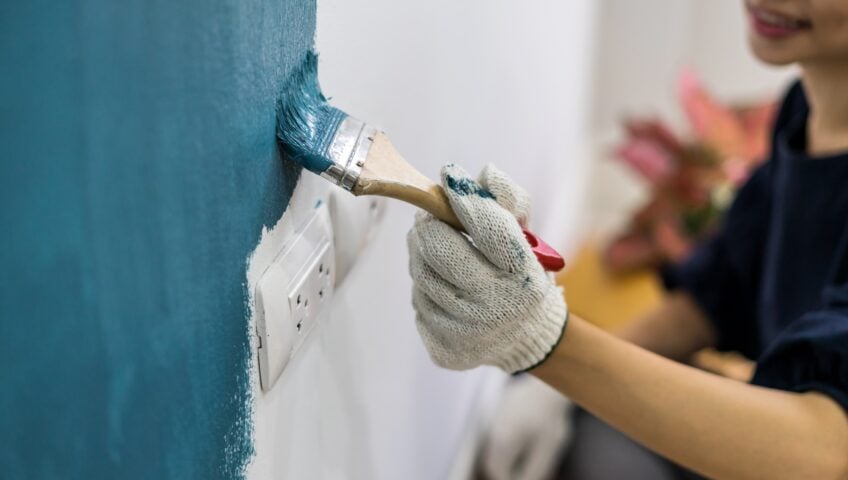
a woman paints the wall with a painting tool

How Much Do Painting Companies Typically Charge in New Jersey?

You want one number, and the published ranges are the place to start. This Old House puts a professional interior job at $1,800 to $10,000 for a whole house, or roughly $1 to $4 per square foot of floor space, and exterior work at $2.20 to $4.40 per square foot, which is $4,400 to $8,800 on a 2,000 sq ft home. Those are national published ranges, not Inside Out Painting’s prices, and they’re wide for a reason: nobody can price a New Jersey house until they’ve seen it.

What moves a quote inside those ranges is the house itself, which is why two painters can look at the same New Jersey house and come back thousands of dollars apart.

What interior painting costs

Interior painting runs $1,800 to $10,000 for a whole house, or $1 to $4 per square foot of floor space, according to This Old House’s interior painting cost guide, updated in April 2026. By surface:

Work Published range
Whole interior $1,800 to $10,000
Per square foot of floor space $1 to $4
Walls $1 to $2 per sq ft
Ceilings $1 to $2.50 per sq ft
Trim $1 to $3 per linear foot
Labor $30 to $60 per hour, more for specialty work

Three things to know before you hold that up against a quote. Ceilings and trim are priced separately because they take longer per square foot than walls do: more cutting in, more ladder work, and trim is measured by the foot rather than by the wall. A room counted as “one bedroom” can mean walls only or walls, ceiling, closet and trim, and the difference is most of the price. And textured walls cost more than flat ones, because texture drinks paint and takes longer to cover.

What exterior painting costs

Exterior painting runs $2.20 to $4.40 per square foot, which is $4,400 to $8,800 on a single-story 2,000 sq ft home, according to This Old House’s exterior painting cost guide, updated in March 2026. By surface and by height:

Work Published range
Per square foot $2.20 to $4.40
A 2,000 sq ft home, one story $4,400 to $8,800
A 2,000 sq ft home, two stories $6,900 to $12,700
Wood siding $1.70 to $3.60 per sq ft
Vinyl siding $2.80 to $5.20 per sq ft
Labor $40 to $100 per hour per painter

The second story is where the number jumps, and it jumps by more than the extra surface area explains, because it adds ladders, scaffolding and the slower pace of working off them. Siding changes the number too, before anyone has picked a color: wood, masonry, stucco and vinyl each need different prep and a different product.

Denville & Morris County

Want a number for your house, not a range?

Tell us which rooms, or which side of the house, and we’ll take it from there.

Contact Inside Out Painting

What you’re actually paying for

The painting is the short part. Most of a quote is the work that happens before any finish coat goes on, and it’s the part homeowners rarely see itemized.

On an exterior painting job, Inside Out Painting washes the house, scrapes off the loose paint and primes every bare surface, caulks the open cracks around doors and windows so water stays out of the siding, and re-putties window panes when that’s in the contract. On an interior painting job, the crew moves the furniture into the middle of the room and covers it, takes down the wall and ceiling fixtures, scuff-sands, fills the holes and cracks, caulks the gaps in trim, and seals stains like watermarks before priming the repairs.

That’s where the hours go, and it’s why the quote reads the way it does. None of it shows up in a photograph of the finished room, and skipping it is the main reason one quote comes in low. Prep is also what decides how long the result lasts, which we cover in why exterior paint fails faster in New Jersey weather.

Why two quotes on the same house differ

  • The condition underneath. A house whose paint is still in good shape needs a wash and fresh paint. A house with peeling paint, failed caulk or rotted trim needs that dealt with first, and that’s labor, not materials.
  • What’s being counted. One painter quotes walls. Another quotes walls, ceilings, trim, doors and closets. Ask what’s in the number before you hold two quotes side by side.
  • Surface and material. Wood, masonry, stucco and vinyl each need different prep and a different product.
  • Height and access. Two stories, steep rooflines, open foyers and anything needing scaffolding cost more in time than in paint.
  • Colors and finishes. A dark color over a light one, or several colors in one room, means more coats and more time spent brushing the edges by hand, where the wall meets the trim and the ceiling. Glossier finishes show more of what’s underneath, so the prep under them has to be better.
  • Who does the work. Ask whether the crew is on your house every day until it’s done, or splitting the week across three jobs. That changes the price and it changes the finish date.

Comparing quotes and not sure what is in them? Call Inside Out Painting at (973) 743-8800.

What to ask before you accept a quote

Most of the difference between quotes is in what they leave unsaid. These questions turn a number into something you can compare:

  • Which surfaces are in the price? Walls only, or walls, ceilings, trim, doors and closets. Ask for it room by room on an interior job.
  • How many coats, and is primer separate? Ask how many finish coats the price covers and what a second or third coat would add, because that’s often a line in the contract rather than a given. Spot priming repairs isn’t the same as priming a wall.
  • What preparation is included, and what happens if more is found? Rot, failed caulk and old peeling paint are usually discovered after the ladder goes up. Ask how that gets priced when it appears.
  • Is washing included on an exterior job? It’s the step that quietly disappears from a low quote.
  • Who is on site, and for how many days? A price that assumes two painters for four days is a different price from one that assumes four painters for one.
  • What’s left behind? Ask for labeled touch-up paint when the crew finishes.
  • How are changes handled? Adding a room or switching to a dark color mid-job changes the number. Ask how that gets handled before it comes up.

A painter who answers those without hesitating has thought about your house. One who won’t put the answers in writing is quoting a different job from the one you think you’re buying.

Why only a quote on your house gives you a real number

There’s no useful way to price a specific New Jersey house from a web page. The number depends on what the walls look like under the current paint, how much trim there is, what the siding is made of, and how much of the job is repair rather than painting. A painter who gives you a firm price without looking is guessing, and the guess gets corrected later, usually upward.

What published ranges are good for is a sanity check. If a quote lands far below the bottom of those ranges, ask what’s been left out of it. Prep is usually the answer, and the power wash is part of the prep, not an extra on top of it.

Common questions

Do painters charge by the hour or by the job?

Most residential work is quoted as a job, with the hourly cost built into it. This Old House’s published hourly figures, $30 to $60 for interior work and $40 to $100 per painter outside, describe labor rates, not what you’ll be billed.

What should a quote include?

It should say which surfaces are being painted, what preparation is included, how many coats, and what happens to the furniture and fixtures. If any of those are missing, you can’t compare it to the next quote.

Is the lowest quote the most expensive one in the end?

It can be. The cost of a job that fails early is the second job. Repainting a surface that was never prepped properly means paying for the prep anyway, plus stripping whatever is peeling by then. Common interior shortcuts are covered in common interior painting mistakes homeowners make.

A family-owned painting company and a proud member of the PDCA (Painting and Decorating Contractors of America).

Call (973) 743-8800Interior paintingContact us

Inside Out Painting, LLC
79 Cedar Lake East, Denville, NJ 07834
Monday to Saturday, 9am to 6pm
Serving Denville and Morris County

njpaintbg

How to Choose a Painting Company in New Jersey

Finding painters in New Jersey is the easy part. Telling them apart is where most homeowners get stuck, because every one of them will tell you they do careful work, and the difference only shows up a couple of winters later.

Here’s the short version: ask for the insurance certificate, call the references, check the trade affiliation, and ask for the license number. A painter who is comfortable being asked all four is usually the one worth hiring.

What to check before you hire

These are worth making on any painting contractor, including the one whose website you are reading this on.

Insurance, both kinds. Ask for a Certificate of Insurance and look for two things on it: liability coverage, which protects your property, and workers’ compensation, which covers their crew while they’re working on your house. A company that carries both can have the certificate emailed to you the same day, because the insurer sends it on request. One that stalls is usually one that lets it lapse between jobs.

References you actually call. Not a page of quotes on a website. Ask for jobs like yours from three or four years back, not last month’s. Anybody’s work looks good the week it finishes; the question is what it looks like after a few New Jersey winters, and a painter who is happy to send you there already knows the answer.

Trade affiliation. Membership in a trade body like the PDCA, the Painting and Decorating Contractors of America, means somebody has standards to answer to. A BBB listing is a complaints record rather than a trade body, and it is worth reading for that reason.

A license. Ask for the home improvement or contractor’s license number and check it. Somebody who holds one has it on their paperwork and hands it over without a pause. Somebody who doesn’t will change the subject to the price.

Two things to be wary of

Two more, and these are the ones people wave off.

Anyone who avoids a written scope. A contractor who doesn’t use contracts, or whose scope of work is vague, is leaving themselves room to decide later what was included. A written contract helps both sides get what they expect.

Anyone competing on price alone. The low number is the easiest thing to produce and the hardest to deliver. If the price is well under everything else you’ve been quoted, ask what is not in it. Preparation is the usual answer, and it is the part you pay for twice.

Denville & Morris County

Want a quote you can actually compare?

Tell us what needs painting and we’ll walk you through what the job involves.

Contact Inside Out Painting

What to ask about the company itself

The questions that tell contractors apart are about the company, not the price. Comparing the numbers themselves is a different exercise, and what house painting costs in New Jersey.

“Who’s actually going to be here?” The owner, a crew that works for them, or somebody subcontracted in. Worth asking whether the person giving you the quote will be on the job at all, because often they will not be.

“How long has the crew been together?” People who have worked together for years make fewer of the mistakes that show up two winters later. A new crew is not a reason to walk away, but it does mean somebody needs to be watching the work.

“What happens if something goes wrong after you leave?” Ask what is covered, for how long, and how you reach them. Then ask for it in writing, because a spoken assurance is worth what it costs to give.

“Can I see work you did three or four years ago?” Anyone can show a photo taken the day the job finished. Paint that has been through four New Jersey winters tells you a lot more.

“What will it be like living here while you work?” What time they show up, what gets covered, where the ladders and paint sit overnight, and whether you can use the kitchen.

What a thorough estimate visit looks like

You learn most about a painting company while they’re still standing in your house, before any number exists.

Someone doing it properly measures rather than eyeballs, and looks at the parts of the job that decide the price: the condition of the trim and sills, what the existing finish is doing, whether the walls have been patched before, how the ceilings and stairwells will be reached. On an exterior they walk the whole perimeter, including the side nobody looks at, and they get close enough to touch the siding.

They should also be asking you things. Which rooms are in and which are out, whether you have colors in mind, when the house needs to be usable again, whether there are pets, and what time the crew can start. A visit that takes ten minutes and produces a round number was a sales call, not an estimate.

What to agree before the crew starts

Once you’ve chosen, the arguments that still happen are nearly always about things nobody discussed:

  • Start date and working days.
  • Access and the weather. Who lets the crew in, where they park, which rooms stay off limits, and what happens to the schedule when an exterior job gets rained out.
  • What moves and who moves it. Furniture, wall fixtures, switch plates, curtain rods, and anything that will not survive being leaned against.
  • Payment schedule, agreed in writing with the contract rather than settled on the last day.
  • What daily cleanup looks like, especially if you’re living in the house while it happens.
  • How extra work gets agreed if they open up a soffit or pull a shutter and find rot underneath.

None of that is unusual to ask, and a contractor who has done this for years will have answers ready.

Want to ask a painting company these questions and see how it answers? Call Inside Out Painting at (973) 743-8800.

Get it in writing

If it isn’t written down, it isn’t in the price. For what a quote should name and what moves the number on it, see what house painting costs in New Jersey. What happens when the steps nobody sees get skipped is covered in common interior painting mistakes homeowners make.

About Inside Out Painting

Inside Out Painting is a family-owned painting company working in Denville and across Morris County, and a member of the PDCA. The work covers interior painting, exterior painting, custom decorative finishes, deck restoration and power washing. The company publishes a written 6 year warranty on all painting and contracting work, and 8 years when new siding is installed first.

Chris Almeida was featured on HGTV’s “Color Splash,” and the video from the show is on the Color Splash feature page.

Common questions

Should I hire the contractor who can start soonest?

Not on that alone. A painter with nothing at all booked in the busy season is worth asking about, and a good one being booked out a few weeks is normal rather than a problem. How soon they can start tells you how busy they are, not how good they are.

How many quotes should I get?

Three is usually enough to see a pattern. What matters more than the number is that all three cover the same work, otherwise you’re comparing different jobs rather than different painters.

What if a painter won’t put the scope in writing?

Treat it as the answer. Every detail that stays verbal is a detail that gets decided later, by them.

A family-owned painting company and a proud member of the PDCA (Painting and Decorating Contractors of America).

Call (973) 743-8800Interior paintingContact us

Inside Out Painting, LLC
79 Cedar Lake East, Denville, NJ 07834
Monday to Saturday, 9am to 6pm
Serving Denville and Morris County

How to Powerwash Your House

How to power wash your home

Before you decide to paint your home, you may want to consider power washing it. Many people power wash their home before they are going to paint it, in hopes that they will be able to remove any dirt or debris from their home. What’s the use of hiring a company to like Westfield NJ Painting to paint your home if you’re simply going to cover up the existing dirt with a layer of paint?

The good news is if you don’t understand the basis of power washing your home NJ power washing would be more then obliged to assist you. Bringing a company out to your home that is loaded with a pool of professionals will show you what goes into power washing so later on if you decide to paint your home again, you can power wash your own home and save the paint crew time and save you a few extra dollars as well.

If you decide to perform the power wash on your home by yourself, we have some useful tips that can guide you through the process, this way you can avoid any mistakes during the power washing process.

1. Locate a power washer– You can find a power washer at most local department stores as well as Home Depot or Lowe’s. You do not need to buy the washer many stores will allow you to rent the washers for a number of consecutive days. Since you are only going to use the washer once, it’s wise to simply rent it then to buy it.

2. Find a ladder that can reach to the peak of your home– You are trying to power wash your whole home, not just the middle of it. The washer is extremely powerful, so you don’t want to have a ladder that is too short. If the ladder is too short you will aim above your head therefore risking the chances of you falling off the ladder.

3. Setting up your power washer– You want to ensure that all hoses are connected correctly, and is hooked up to water supply such as a hose. Test the washer before you climb up to the peak of the ladder with it.

4. Place your ladder against your home– Always start from the highest peak of your home and slowly work your way down, spraying from left to right as you climb down the rungs of the ladder.

5. Keep your distance– Make sure your sprayer stays at least 12 inches away from the home at all times. Power washers often are set to blast water so hard it literally chips the paint right off of your home.

6. Complete all 4 sides of the home– Do one side at a time, it does not matter what side you start on as long as you properly perform the previous steps with each side.

Power washing your home can actually seem more like a fun past time then a chore. If you decide to purchase your power washer, many people use it for many household things, such as cleaning their cars or washing off their driveways.