How Humidity and Rain Affect Deck Staining in New Jersey

If you’re a New Jersey homeowner staring at a faded, peeling deck and thinking it’s finally time to restrain it, you’re not alone. But here’s the problem: our humid summers, surprise thunderstorms, and sticky air can quietly sabotage your project before it even has a chance to cure. In Morris, Essex, Union, and Passaic Counties, moisture isn’t just an inconvenience; it’s the number one reason deck stains fail early. At Inside Out Painting, we’ve restored countless decks damaged by poor timing and weather miscalculations, and we know exactly how to work with, not against, New Jersey’s climate.

Why Weather Matters More in New Jersey

New Jersey isn’t Arizona. We deal with:

  • 70%+ summer humidity
  • Afternoon thunderstorms that roll in without warning
  • Morning dew that lingers longer than you think
  • Freeze-thaw cycles that stress outdoor wood

Deck staining isn’t just about brushing on color; it’s about penetration and curing. And moisture directly interferes with both.

When humidity and rain aren’t accounted for, you end up with:

  • Blotchy color
  • Peeling within months
  • Mildew under the finish
  • A project you have to redo far too soon

Let’s break it down.

The Impact of High Humidity on Deck Staining

1. Prolonged Drying Times

Can you stain a deck in high humidity?

Technically, yes. Should you? Not usually. When humidity climbs above 70%, the air is already saturated with moisture. Stains, whether oil-based or water-based, cure by evaporation. In heavy New Jersey humidity, drying times can easily double. What should take 4–6 hours may take 10–12. And that extended window increases the risk of:

  • Dust contamination
  • Uneven absorption
  • Rain exposure before full curing

The sweet spot? 40%–70% relative humidity.

2. Poor Adhesion & Peeling

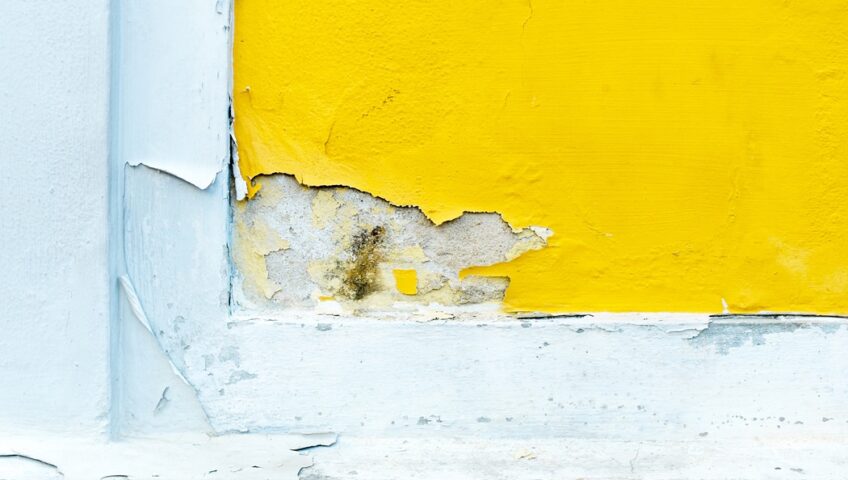
Does humidity affect staining? Absolutely. If the wood itself contains excessive internal moisture, the stain cannot penetrate the fibers. Instead, it sits on the surface. That’s when you see:

  • Flaking
  • Blistering
  • Early peeling (sometimes within one season)

We’ve seen decks in Essex County that looked perfect in June and were peeling by September because the wood wasn’t dry enough at the time of application. For best results, wood moisture content should be under 15%. A simple moisture meter (inexpensive and worth it) removes the guesswork.

3. Mildew Growth

  • New Jersey humidity creates ideal conditions for mildew. If mildew spores are present and moisture gets trapped under a fresh stain, you’ll start seeing black or green spots pushing through. Once mildew is present under the stain, the only viable fix is stripping and redoing the surface.

The Impact of Rain on Deck Staining

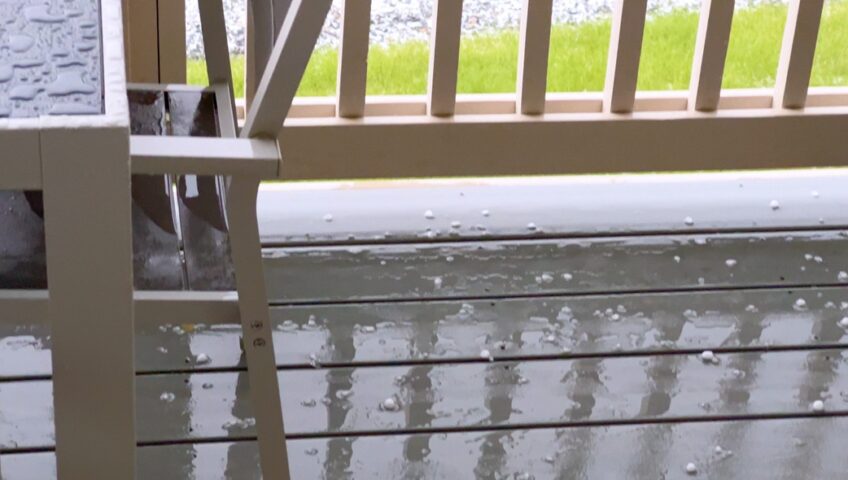
What Happens If It Rains While Staining Your Deck?

This is one of the most common concerns of NJ homeowners.  If rain hits before the stain has cured:

  • Pigment can wash away (the “washout effect”)
  • You’ll see streaking and uneven color
  • The surface may become tacky or sticky
  • Adhesion may weaken

In many cases, the deck must dry completely before being lightly sanded and recoated.

Wood Swelling & Shrinking

Rain affects more than the surface. When wood absorbs water, it swells. Then, when the sun returns, it shrinks. That expansion-and-contraction cycle stresses the stain’s bond. In New Jersey, especially during stormy summer patterns, this movement can dramatically shorten the lifespan of your finish.

How Long Should You Wait After Rain?

As a general rule, wait at least 24–48 hours after rain before staining. The surface may appear dry while moisture remains trapped deep inside.

Two ways to check:

  1. Moisture meter reading under 15%.
  2. The “water test”: if water beads up, the wood is still too wet.

What Is the Best Weather to Stain a Deck in New Jersey?

For optimal results, picking the right weather is of the essence. 

Ideal Conditions:

  • 50–85°F temperatures
  • 40–70% humidity
  • 48–72 hour rain-free forecast
  • Cloud cover or light shade (avoid direct midday sun)

Best Seasons in NJ

Late Spring & Early Fall
These seasons typically offer more stable weather patterns and moderate humidity. While it’s hot, late August often brings drier air and fewer storm systems, creating ideal curing conditions before fall sets in.

Avoid Direct, Hot Sun

Even if humidity is low, staining in direct sunlight can cause the surface to “flash dry.” That means the top layer dries too fast, preventing deep penetration. Result? Premature fading and uneven wear.

What If Your Deck Was Stained in Bad Weather?

Sometimes the weather shifts unexpectedly. If it rains too soon:

  1. Allow full drying.
  2. Inspect for blotchiness or peeling.
  3. Sand affected areas.
  4. Apply a thin recoat.

If mildew appears, cleaning and possibly stripping may be required. At that point, many homeowners decide it’s time to call the professionals. And honestly, that’s often the smarter financial move.

Why Professional Timing Makes the Difference

Deck staining in New Jersey isn’t just about product choice,  it’s about climate strategy. At Inside Out Painting, we:

  • Monitor humidity levels before scheduling
  • Use moisture meters on-site
  • Plan around multi-day forecast windows
  • Apply stains under optimal penetration conditions
  • Conduct a final walkthrough before payment

Because we’re a family-owned, local company serving Morris, Essex, Union, and Passaic Counties, we understand the weather patterns here. We’ve worked through surprise storms. We’ve seen what happens when decks are rushed before a holiday weekend. And we don’t cut corners. If managing humidity readings, rain windows, and moisture content feels overwhelming, we’re here to handle it.

You can learn more about our professional deck restoration services and our approach to climate-specific projects. For additional weather guidance, the National Weather Service provides reliable humidity and forecast data you can monitor before starting any outdoor project.

Commonly Asked Questions

Can you stain a deck in high humidity?
Yes, but drying times increase and adhesion may suffer. Stay between 40–70% humidity for best results.

What happens if it rains while staining your deck?
Rain can wash away pigment, cause streaking, and weaken adhesion if the stain hasn’t cured.

Does humidity affect staining?
Yes. High humidity slows evaporation and reduces penetration, leading to peeling and mildew.

What is the best time of year to apply deck stains?
Mild temperatures (50–85°F), moderate humidity, and a 48–72 hour rain-free window.

Don’t Let New Jersey Weather Ruin Your Investment

Too many homeowners spend thousands restoring a deck only to see it peel within a year, not because the stain was bad, but because the timing was. New Jersey’s humidity and rain patterns demand planning, patience, and precision.

If you want your deck to look beautiful and last for years, not months, Inside Out Painting is ready to help. Call us at 973-743-880 to schedule a free estimate and get your deck restoration done right the first time.

Fading and peeling interior wall paint in a New Jersey home showing it’s time for repainting

Telltale Signs It’s Time to Repaint Your Interior Walls

If you’re a New Jersey homeowner living with walls that look “fine” at first glance, but feel tired, dingy, or dated up close, you’re not alone. Many people put off repainting because they’re unsure if the wear they’re seeing is normal, cosmetic, or a sign of a bigger issue, and no one wants to repaint too soon or waste money doing it wrong. That’s where Inside Out Painting helps: by providing homeowners across Morris, Essex, Union, and Passaic Counties with honest guidance, professional craftsmanship, and interior paint jobs that actually last.

Why Interior Paint Matters More Than You Think

Interior paint isn’t just about color. It protects your walls, reflects light, hides imperfections, and quietly sets the tone of your entire home. Too many homeowners wait until paint failure is obvious. By then, repairs cost more, prep takes longer, and the end result is harder to perfect. Catching the signs early makes the entire process smoother and more affordable.

Clear Signs It’s Time to Repaint Your Interior Walls

Peeling, Cracking, or Bubbling Paint

  • This is one of the biggest red flags. Peeling or bubbling paint usually indicates moisture or that the original paint did not bond properly. Bathrooms, kitchens, and laundry rooms in New Jersey homes are especially prone to this because of humidity swings. If paint is lifting away from the wall, repainting isn’t optional; it’s necessary. And prep matters just as much as the new coat.

Faded or Dull Colors

Ever move a picture frame and notice the wall underneath looks brighter? That’s sun exposure at work. Natural light slowly degrades pigments, especially on south-facing walls and in rooms with large windows. Over time, once-rich colors look flat and tired, even if the walls are otherwise “clean.”

Scuffs, Stains, and Marks That Won’t Wash Off

  • High-traffic areas like hallways, staircases, and entryways take a beating. Fingerprints, shoe marks, pet rubs, and furniture scuffs eventually soak into the paint. If regular cleaning only spreads the stain or makes the finish look patchy, the paint has done its job, and it’s time for a refresh.

Water Stains or Discoloration

Brownish rings, yellow stains, or streaks are usually signs of a past leak. Even if the issue was fixed years ago, stained paint can bleed through and make walls look permanently dirty. Before repainting, the surface must be properly sealed. Skipping this step is one of the most common DIY mistakes homeowners regret.

Outdated or Yellowing Paint

  • Styles change. So does paint chemistry. Older paints can yellow or chalk over time. What once felt modern may now make the room feel darker or smaller than it is. If your space no longer reflects how you live today, paint is one of the fastest ways to realign it.

Visible Wear Near Baseboards and Corners

Chips near door frames, worn edges along baseboards, and dented corners signal everyday use catching up with your walls. These small flaws add up quickly and make rooms feel neglected, even if the furniture is beautiful.

How Often Should You Repaint Interior Walls?

Most professionally painted interiors last 5–7 years, depending on how the room is used.

  • Bedrooms & low-traffic rooms: up to 7–10 years.
  • Living rooms & hallways: 5–7 years.
  • Kitchens, bathrooms & kids’ rooms: closer to 3–5 years.

If you’re repainting sooner than that, it’s often due to improper prep or low-quality materials.

When Is the Best Time to Repaint?

  • Before moving in: No furniture, no disruption.
  • During a remodel: Paint ties everything together.
  • Seasonal refresh: Fall and winter are popular for interior work in NJ.

Interior painting isn’t affected by outdoor temperatures the way exterior painting is, making it a flexible upgrade year-round.

What About Color Trends?

While timeless neutrals remain popular, many homeowners heading into 2025 are choosing warmer whites, soft greiges, muted greens, and calm blues that reflect natural light without feeling cold. A professional painter can help you choose colors that work with your lighting, not just what looks good on a sample card.

Why Professional Prep Makes All the Difference

Scuffed and stained interior walls inside a NJ home indicating the need for professional repainting

Most paint failures don’t come from the paint itself. They come from rushed prep. Inside Out Painting focuses on:

  • Proper surface repairs
  • Moisture and stain sealing
  • Clean, dust-free walls
  • Even coverage with high-quality paints

That’s why their interior paint jobs hold up years longer than quick, cut-corner work. If this feels overwhelming, Inside Out Painting can handle it for you, from prep to final walkthrough, so you don’t have to guess or stress.

Ready to Refresh Your Home?

If your walls are showing any of these signs, repainting now can save money, improve your home’s feel, and protect your surfaces long-term. For honest advice and professional interior painting across Morris, Essex, Union, and Passaic Counties, contact Inside Out Painting at 973-743-880 to schedule a free estimate.

Decorative painting techniques trending in 2026 for New Jersey homes

What Are Some Popular Decorative Painting Techniques for 2026 Homes?

Popular Decorative Paint Finishes and Techniques for 2026

If you’re a New Jersey homeowner planning to refresh your space in 2026, you’re probably feeling stuck between playing it safe and wanting something that actually feels special. Flat beige walls don’t excite anyone anymore, but bold design trends can feel risky, especially when you’re worried about resale value, uneven results, or hiring the wrong painter for detailed work.

That’s where Inside Out Painting comes in. With over a decade of hands-on experience across Morris, Essex, Union, and Passaic Counties, our team helps homeowners bring modern decorative painting techniques to life, cleanly, professionally, and without regret. Custom decorative painting in 2026 isn’t about flashy gimmicks. It’s about texture, depth, and intentional color choices that make a home feel finished, personal, and elevated.

Why Decorative Painting Is Changing in 2026

  • Home design is moving away from stark minimalism and back toward warmth and character. After years of all-white interiors, homeowners want walls that do something, walls that add mood, softness, or architectural interest without a full remodel.

In New Jersey, especially, where many homes blend older construction with modern updates, decorative painting offers a smart way to bridge the gap. It adds personality without knocking down walls or over-investing in trends that won’t age well.

Textured Finishes: Limewash, Faux Plaster, and Soft Stone Effects

  • One of the biggest decorative painting trends for 2026 is texture. Limewash and faux plaster finishes are everywhere, and for good reason. These finishes create subtle movement on walls, giving them an old-world, European feel that looks especially good in living rooms, dining spaces, and stairwells. 

Unlike heavy stucco or dated sponge painting, modern limewash is soft, breathable, and intentionally imperfect. In older NJ homes with plaster walls or slight imperfections, textured finishes can actually work with the structure rather than fight it. Done right, they feel timeless, not trendy.

Color Drenching: One Color, Total Impact

  • Color drenching means painting the walls, trim, doors, and even ceilings in the same shade. It sounds bold, but the effect is surprisingly calming and cohesive. Deep greens, warm terracottas, and muted blues are especially popular for 2026. This technique works beautifully in bedrooms, offices, and dining rooms, spaces where you want to feel immersed rather than distracted. Color drenching shows every mistake. Brush marks, uneven edges, and poor prep stand out immediately. This is one trend where a professional application makes all the difference.

Ombre and Gradient Accent Walls

Accent walls are evolving. Instead of a single bold color, 2026 homes are embracing ombre and gradient transitions that move softly from light to dark. These walls feel artistic without being overwhelming and work well in entryways, nurseries, or modern living spaces. The key is subtle blending, something that’s extremely hard to DIY without experience.

Too many homeowners try this themselves and end up repainting the entire wall a week later. Precision matters here.

Metallic Accents for Subtle Luxury

  • Metallic paints aren’t new, but how they’re used in 2026 is much more refined. Think soft gold ceilings, bronze alcoves, or pearlized accent walls that catch light without screaming for attention. These finishes add depth and luxury, especially in dining rooms, powder rooms, and formal spaces.

Metallics require specialized products and techniques to avoid streaking or patchiness. This is not the place to experiment with leftover rollers.

Velvet Matte and High-Gloss Finishes

  • Standard flat and eggshell paints are being replaced by richer finishes. Velvet matte offers a soft, almost suede-like appearance that feels upscale while still hiding minor wall flaws. At the other end, high-gloss finishes are intentionally used on trim, doors, and even accent walls for contrast and drama.

Both finishes demand excellent surface preparation. In high-gloss, especially, every dent and sanding mistake will show.

Painted Trim, Doors, and Staircases

  • White trim isn’t going anywhere, but it’s no longer the default. In 2026, trim is becoming part of the design. Homeowners are choosing contrasting or complementary colors for doors, window frames, baseboards, and stair risers to add depth without overwhelming a space.

This approach works particularly well in New Jersey colonials and split-level homes, where architectural details deserve attention instead of being erased.

Statement Ceilings Are Back

  • Ceilings are no longer ignored. Deep blues, warm neutrals, soft metallics, and even subtle textures are being used overhead to create intimacy and character. A painted ceiling can completely change how a room feels, but it has to be executed cleanly. Sloppy ceiling work is one of the fastest ways to make a room feel unfinished.

Should You DIY Decorative Painting?

2026 interior decorative paint finishes for New Jersey homeowners

Some decorative painting techniques look simple on social media. They’re not. Between product selection, surface prep, application technique, drying time, and cleanup, decorative finishes are far less forgiving than standard wall paint. Many homeowners end up spending more fixing mistakes than they would have by hiring a professional from the start. If you’re investing in your home’s look, execution matters as much as design.

Why Homeowners Trust Inside Out Painting

At Inside Out Painting, decorative painting isn’t rushed or treated like an add-on. Our full-time, professionally trained painters take the time to prep correctly, test finishes, and apply techniques that hold up over time.

From your free estimate to the final walkthrough, before any payment is taken, we focus on craftsmanship, respect for your home, and results that actually match what you envisioned. If you’re considering decorative painting for your 2026 home and want it done right the first time, we’re here to help. Call Inside Out Painting at 973-743-8800 to schedule your free consultation.

Environmentally safe house washing in New Jersey

Eco-friendly Power Washing: Protecting Your Home and the Environment

New Jersey homeowners who care about their property and the environment often feel stuck when it comes time to clean their siding, roof, or driveway. You want years of grime, algae, and mildew gone, but you worry about harsh chemicals killing your landscaping, runoff flowing into storm drains, or high pressure damaging siding and wood. That’s where Inside Out Painting comes in, using eco-friendly power washing methods that clean effectively while protecting your home, your yard, and the communities across Morris, Essex, Union, and Passaic Counties.

Why Eco-Friendly Power Washing Matters More Than You Think

Traditional pressure washing can do real damage. High PSI can etch concrete, force water behind siding, and strip protective finishes. On top of that, bleach-heavy cleaners often end up in storm drains, which lead directly to local waterways in North Jersey. Eco-friendly power washing takes a smarter approach. It focuses on how surfaces are cleaned, not just blasting everything with pressure and chemicals.

How Eco-Friendly Power Washing Protects Your Home

Low-Pressure Soft Washing Preserves Surfaces

Soft washing uses low pressure combined with specialized cleaners to lift dirt, algae, and mold. This approach is especially important for:

  • Vinyl and fiber cement siding
  • Roof shingles
  • Decks and fences
  • Stucco and painted surfaces

Instead of wearing materials down, soft washing actually helps them last longer.

Extends the Life of Paint and Exterior Finishes

Homeowners often spend thousands repainting too soon because aggressive washing stripped the surface underneath. Gentle, eco-friendly cleaning keeps paint intact and helps future paint jobs last.

How Eco-Friendly Power Washing Protects the Environment

Biodegradable, Plant-Safe Cleaners

  • Professional eco-friendly services use biodegradable or EPA Safer Choice–approved detergents. These cleaners break down naturally and won’t harm grass, shrubs, pets, or pollinators when used correctly.

Reduced Chemical Runoff into Storm Drains

In many New Jersey towns, storm drains flow directly into rivers and reservoirs. Eco-friendly power washing limits runoff and manages water flow to keep pollutants out of local watersheds.

Water Conservation Done Right

  • It sounds counterintuitive, but professional power washing actually uses less water than hours with a garden hose. Efficient equipment delivers better results with controlled water usage.

What Makes Power Washing Truly “Eco-Friendly”?

Not every company advertising “green cleaning” actually follows through. Real eco-friendly power washing includes:

  • Using the lowest effective pressure for each surface
  • Choosing biodegradable or plant-based cleaners
  • Pre-wetting and protecting landscaping
  • Controlling runoff direction and volume
  • Avoiding unnecessary bleach or caustic chemicals

Done right, it’s safer for your home and your surroundings.

Common New Jersey Cleaning Challenges Eco-Friendly Methods Solve

North Jersey’s climate creates perfect conditions for exterior buildup. Between humid summers, shaded properties, and winter moisture, homeowners commonly deal with:

  • Green algae on siding and walkways
  • Black streaks on roofs
  • Mold near decks and foundations
  • Slippery driveways and patios

Eco-friendly power washing removes these issues without introducing new problems.

DIY vs. Professional Eco-Friendly Power Washing

  • Many homeowners try DIY “green” cleaners from the hardware store. The issue isn’t effort, it’s technique. Incorrect dilution, pressure settings, or runoff control can still damage surfaces or landscaping.

Professional crews know how different materials respond and how to clean safely the first time. If this feels overwhelming, Inside Out Painting can handle the entire process for you, start to finish.

Why Homeowners Trust Inside Out Painting for Eco-Friendly Power Washing

As a family-owned company serving New Jersey for over a decade, Inside Out Painting approaches exterior cleaning the same way they approach painting, carefully, professionally, and with respect for your home.

They use trained, full-time professionals who understand local building materials, drainage systems, and landscaping concerns. No rushed jobs. No harsh shortcuts. Just thorough cleaning done the right way.

Commonly Asked Questions

Is pressure washing environmentally friendly?

It can be when done correctly. Eco-friendly power washing uses low pressure, biodegradable cleaners, and controlled water flow to avoid surface damage and environmental harm.

What are the benefits of power washing your home?

Power washing removes mold, algae, and grime, improves curb appeal, extends the life of exterior surfaces, and creates a healthier environment around your home.

What is an eco-friendly cleaner for pressure washing?Eco-friendly power washing services for New Jersey homes

Eco-friendly cleaners are biodegradable or plant-based detergents, often labeled EPA Safer Choice, designed to break down naturally without harming plants, pets, or waterways.

Does eco-friendly washing still remove mold and algae?

Yes. Soft washing techniques kill mold and algae at the root instead of just blasting the surface, leading to longer-lasting results.

Ready to Clean Your Home the Responsible Way?

If your siding, roof, driveway, or deck needs a refresh, eco-friendly power washing is the safer, smarter choice for New Jersey homes. Call 973-743-8800 to schedule a free estimate with Inside Out Painting and see how professional, eco-conscious cleaning can protect your home and the environment at the same time.