Common Exterior Paint Problems and How to Prevent Them
Common Exterior Painting Issues and How to Avoid Them
This guide is for New Jersey homeowners planning or maintaining an exterior paint job, especially those in Morris, Essex, Union, and Passaic Counties who deal with tough seasonal weather year after year. If you’ve ever invested in painting your home only to see peeling, bubbling, or fading show up far sooner than expected, you’re not alone, and it’s frustrating. Inside Out Painting works with local homeowners every day to prevent these exact problems by using proper prep, climate-appropriate materials, and a process designed to make exterior paint last, not just look good for one season.
Why Exterior Paint Problems Happen So Often in New Jersey
- Most exterior paint failures aren’t random. In New Jersey, homes are constantly exposed to freeze-thaw cycles, summer humidity, heavy rain, and intense UV exposure. When even one step in the painting process is rushed or skipped, those conditions magnify the problem fast.
Too many homeowners spend thousands on a paint job, only to call a professional a year or two later, asking, “Why is this already failing?” In almost every case, it comes down to prep, moisture, materials, or timing.
Let’s break down the most common exterior paint problems and how to stop them before they start.
Peeling and Blistering Paint
What causes peeling or blistering exterior paint?
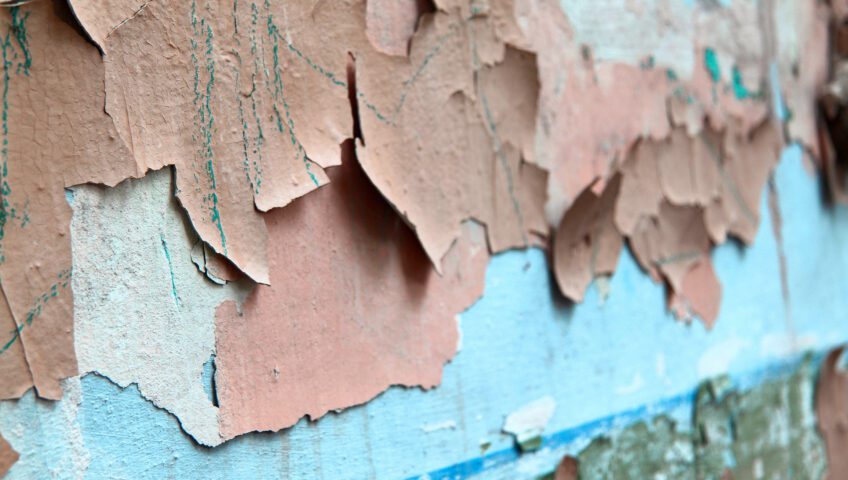
- Peeling and blistering typically occur when moisture becomes trapped beneath the paint or when the paint fails to bond properly to the surface. This often occurs when paint is applied over damp siding, bare wood isn’t primed, or old paint isn’t fully scraped and sanded.
In many New Jersey homes, especially older ones, this shows up around trim, window frames, and shaded sides of the house where moisture lingers longer.
How to prevent peeling and blistering
Prevention starts before the first coat is applied. Surfaces must be thoroughly cleaned, all loose paint removed, and bare areas properly primed. Any moisture issues, such as leaking gutters, damaged flashing, or poorly sealed windows, need to be corrected first. Using breathable, high-quality exterior paint also allows moisture vapor to escape, preventing paint from peeling.
Fading and Chalking
Why does exterior paint fade so quickly?
- Sun exposure is the biggest culprit. South- and west-facing sides of homes in New Jersey take the most UV damage, especially during long summer months. Lower-quality paints break down more quickly, causing colors to fade and leaving a chalky residue.
How to prevent fading and chalking
Choosing premium, UV-resistant exterior paint makes a noticeable difference in longevity. Lighter colors tend to reflect sunlight better, while darker colors may require more frequent maintenance. Occasional exterior cleaning also helps remove surface buildup that speeds up paint deterioration.
Cracking, Alligatoring, and Wrinkling
What causes cracking or wrinkled paint?
- These problems usually occur when paint is applied too thick, during extreme temperatures, or in high humidity. Painting on very hot days or during cool nights can prevent proper curing, leading to stress cracks or a wrinkled surface.
How to prevent cracking and wrinkling
The solution comes down to technique and timing. Applying two thin coats instead of one heavy coat allows paint to cure evenly. Exterior painting should be done during mild, dry conditions, avoiding direct sunlight, cold nights, and humid days that are common during New Jersey’s seasonal transitions.
Mildew and Organic Growth
Why does mildew grow on exterior paint?
- Mildew thrives in damp, shaded areas, such as north-facing walls, spots near dense landscaping, or areas with limited airflow. Even freshly painted homes can develop mildew if moisture isn’t properly managed.
How to prevent mildew on exterior paint
Surfaces should be cleaned thoroughly before painting, and mildew-resistant paints should be used where appropriate. Trimming plants away from siding and improving airflow around the home also helps reduce lingering moisture. The EPA provides additional guidance on preventing mold and mildew on exterior surfaces.
Rust Stains Bleeding Through Paint
What causes rust stains on painted exteriors?
- Rust stains typically appear when non-galvanized or exposed metal fasteners react with moisture. As the metal corrodes, rust seeps through the paint, creating orange or brown streaks.
How to prevent rust stains
Using stainless or galvanized nails is essential. Any exposed nail heads should be sealed and primed with a rust-inhibiting primer before painting. It’s a small step that prevents long-term cosmetic damage.
The Most Important Prevention Strategies
Prep is non-negotiable
- Cleaning, scraping, sanding, and priming are the foundation of a durable paint job. Skipping prep is the most common reason exterior paint fails early.
Moisture control matters
Fix leaks, caulk gaps, improve drainage, and address any signs of water intrusion before painting. Paint cannot compensate for underlying moisture problems.
Weather timing is critical
- Exterior painting should be scheduled around dry, mild conditions, avoiding rain, extreme heat, and high humidity. Timing matters even more in New Jersey’s unpredictable climate.
Quality products make a real difference
Higher-quality paints and primers are designed to withstand UV exposure, moisture, and temperature swings. They may cost more upfront, but last significantly longer.
Ongoing maintenance saves money
- Regular inspections, gentle cleaning, and small touch-ups prevent minor issues from becoming costly repainting projects.
Commonly Asked Questions
What is the most common reason for exterior paint failure?
Poor surface preparation and moisture problems are the leading causes of paint failure.
How can I protect exterior paint in the long term?
Proper prep, high-quality paint, moisture control, and regular maintenance are essential.
How do you prevent exterior paint from peeling?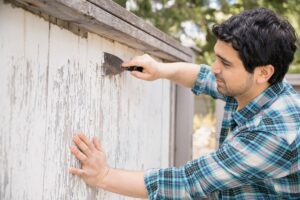
Ensure surfaces are dry, fix leaks, prime bare areas, and use breathable exterior paint.
What are common defects in painting?
Peeling, blistering, cracking, fading, mildew growth, chalking, and rust staining are among the most common defects.
When It Makes Sense to Call a Professional
If this feels overwhelming, you’re not wrong. Preventing exterior paint problems requires experience, proper timing, and attention to detail, especially in New Jersey’s climate. Inside Out Painting handles everything from surface preparation to final walkthroughs, using trained full-time painters who respect your home and do the job right the first time.
For Expert exterior painting in Morris, Essex, Union, or Passaic County, call 973-743-8800 to schedule a free estimate and prevent paint problems before they start.