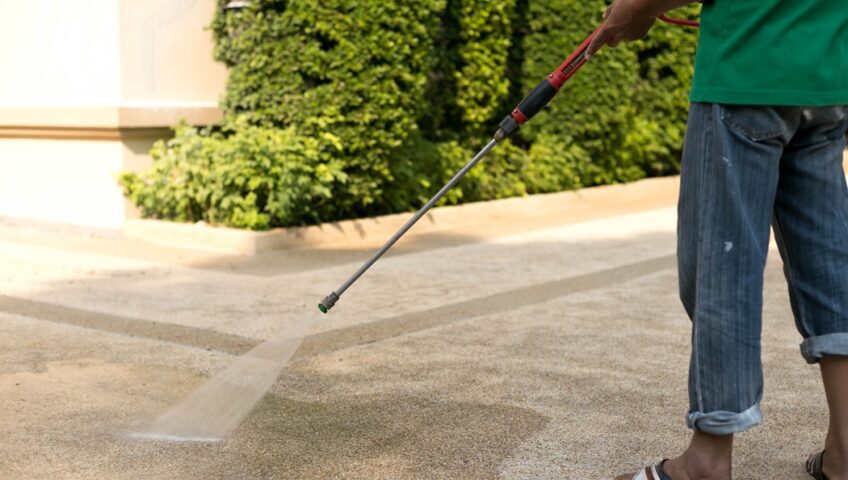
Professional power washing service restoring home exterior in New Jersey

The Hidden Damage Caused by Skipping Regular Power Washing

The Hidden Problems Caused by Not Power Washing Your Home

Homeowners across Morris, Essex, Union, and Passaic counties who want to protect their siding, decks, walkways, and overall property value often struggle with one big problem: cleaning the exterior never feels like a priority, until something goes wrong. The longer surfaces go without routine washing, the more mold, algae, pollutants, and grime quietly break them down, leading to repairs that cost far more than a simple cleaning. Inside Out Painting understands how quickly New Jersey weather can turn small maintenance tasks into major headaches, and our team helps homeowners stay ahead of that damage with safe, professional power washing that preserves your home for the long run.

Why Skipping Power Washing Causes Hidden Damage

It’s easy to ignore subtle dirt on your siding or a little green film on the deck. But those “small” issues grow fast, especially in New Jersey’s damp springs, humid summers, and leaf-heavy falls. Beneath that grime is an active chain reaction that eats away at the materials protecting your home.

1. Accelerated Deterioration of Exterior Surfaces

New Jersey’s mix of humidity, rainstorms, pollen, and winter debris creates the perfect environment for buildup. What seems like simple dirt contains acidic pollutants and organic matter that actually break down surfaces.

Siding + Paint Breakdown

  • Homeowners in towns like Montclair, Bloomfield, and West Orange often notice streaks or fading long before they see the underlying issue: grime causes premature paint failure and makes vinyl brittle enough to crack.

Once the siding’s protective layer fails, moisture creeps in, and that’s when repairs get expensive.

Wood Rot on Decks and Fences


Mold and mildew feed on organic materials. If you’ve ever stepped onto a deck in mid-summer and noticed soft boards, that’s the early stage of rot caused by trapped moisture and organic buildup.

Roof Damage

  • Algae, which causes those black streaks common on NJ roofs, feeds on the limestone filler in asphalt shingles. Over time, you lose granules, shingles loosen, and water sneaks into the decking. Homeowners often think they need a full roof replacement when a soft wash would have prevented the deterioration.

Concrete + Masonry Issues

Driveways and walkways become slippery algae pads after rainy weeks. Dirt traps moisture in concrete, leading to cracks during freeze–thaw cycles, a major problem in places like Verona, Maplewood, and Livingston.

2. Health + Safety Hazards

Skipping regular washing doesn’t just damage your home; it affects the people living in it.

Respiratory Problems

  • Mold spores on exterior walls and decks get tracked inside by wind, pets, and foot traffic. Families with asthma or allergies feel it first, especially during high pollen months in NJ.

Slip-and-Fall Risks

Algae and moss make walkways dangerously slick. A wet, shaded driveway after a storm can be more hazardous than you’d think. For condo associations and multi-family properties, this becomes a major liability issue.

3. Decreased Property Value + Higher Repair Costs

  • Buyers can instantly tell when a home exterior hasn’t been maintained. Even minor neglect can reduce perceived value by 5–10%, which amounts to thousands of dollars in towns like Florham Park, Millburn, or Short Hills.

Avoidable High-Cost Repairs

When mold spreads or siding fails, homeowners move from cleaning to replacement. Full siding replacement or repairing structural wood rot can easily run into five figures.

Voided Warranties

  • Manufacturers often void warranties if high-pressure washing is done incorrectly. Roof shingles are especially sensitive. This is why professional soft-washing techniques matter.

Why Do These Problems Happen? (A Quick Science Breakdown)

  • Dirt isn’t neutral; it’s acidic.
  • Organic growth holds moisture, which weakens materials.
  • Pollutants bond to paint films and break them down.
  • Algae on roofs feeds on limestone fillers.
  • Freeze–thaw cycles exploit any trapped moisture.

Skipping power washing lets all of this run unchecked for years.

Commonly Asked Questions

Can power washing damage a house?

Yes, if done incorrectly. High pressure can strip paint, gouge wood, crack siding, and void warranties. Professional soft washing prevents this while still removing grime.

What are the hazards of using a pressure washer?

Kickback injuries, chemical burns, slips, electrical hazards, and property damage are common. Many DIY units blast too hard for siding or decks.

What are OSHA guidelines for pressure washing?

OSHA recommends PPE, stable footing, eye/ear protection, proper chemical handling, safe ladder use, and avoiding electrical exposure. Pros follow these standards on every job.

How do you pressure wash a house without damaging it?

Use low pressure, the correct cleaning agents, soft-wash methods for siding and roofs, and avoid aiming water upward where it can get behind panels. When done professionally, damage is avoided entirely.

The Cost of Skipping Power Washing in New Jersey

Here’s the thing: homeowners often wait until the siding looks “dirty enough”,  but by then, the damage is already underway.

Skipping regular power washing leads to:

  • Shortened lifespan of paint and siding.
  • Muddy, slippery walkways.
  • Roof wear that makes replacements come sooner.
  • Deck boards softening or rotting.
  • Higher humidity and airborne mold around the home.
  • A dull, aged-looking exterior.

And the worst part? These issues build up quietly.

How Often Should NJ Homeowners Power Wash?

General guideline:

  • Siding: once a year.
  • Decks and fences: once a year.
  • Driveways + walkways: every 1–2 years.
  • Roofs: every 2–3 years with soft washing

Homes surrounded by trees or shade (very common across Morris and Essex counties) often need more frequent care.

Why Inside Out Painting Is the Trusted Choice for Power Washing

NJ home showing before and after results of expert power washing

Homeowners choose Inside Out Painting because:

  • Their technicians are full-time professionals, not seasonal hires.
  • They use the correct soft-wash methods for delicate surfaces.
  • They understand local NJ home materials: older cedar siding, vinyl, stucco, and mixed masonry.
  • They perform free estimates and final walk-throughs before payment.

A lot of companies “blast and go.” Inside Out Painting takes the time to do it safely and with care for your property. If the idea of juggling equipment, chemicals, ladders, and safety feels overwhelming, their team handles everything so your home stays protected year-round.

Regular power washing isn’t cosmetic, it’s essential maintenance. The damage that happens underneath dirt and algae is real, and in New Jersey’s weather conditions, it accelerates faster than most homeowners realize.

Ready to protect your home from hidden damage? Contact Inside Out Painting for safe, professional power washing. For more information, call: 973-743-8800
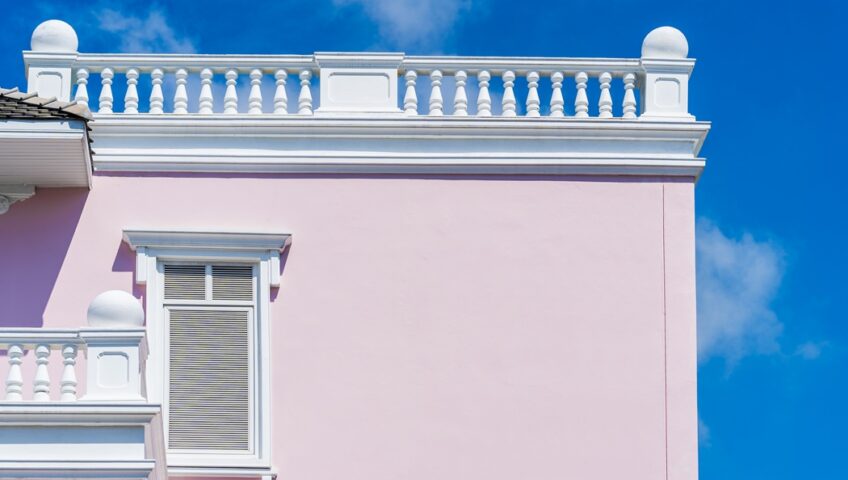
Professional painter in New Jersey helping select the right exterior paint color for a residential home

How to Choose the Right Exterior Paint Color for Your New Jersey Home

NJ Home Exterior Paint Colors: How to Choose the Best One

If you’re a New Jersey homeowner planning an exterior repaint, you already know the color you choose can make or break your home’s curb appeal. Between Morris County’s wooded backroads, the older Colonials in Essex County, and the more modern homes scattered across Union and Passaic, it can feel overwhelming to figure out what actually works. The wrong shade can fade fast, look harsh in winter light, or stand out awkwardly in your neighborhood. That’s where the trained, full-time pros at Inside Out Painting step in, bringing over a decade of local experience to help homeowners choose colors that look stunning year-round and hold up beautifully in New Jersey’s unpredictable weather.

Why Choosing the Right Exterior Color in New Jersey Matters

  • New Jersey homes deal with everything from blazing summer UV to gray February skies, plus leafy autumn backdrops and snow-covered winters. A color that looks perfect on a sample strip might turn muddy in shade or washed out in bright sun. Many homeowners repaint only to realize the color reads colder, darker, or much brighter than expected once it’s on the siding.

On top of that, neighborhoods in NJ often have visual rhythms: classic Colonials with muted historical tones, streets lined with Craftsman homes featuring earthy palettes, or HOA-regulated townhomes with specific color guidelines. Getting the color right means boosting curb appeal, protecting your investment, and avoiding costly repaints.

Assess Your Home and Surroundings First

Choosing the right color starts with what you already have, not the paint aisle.

Evaluate Fixed Features

Your roof, brick, stonework, and walkways create your home’s permanent color palette. If your roof has warm undertones (browns, tans), you’ll want warmer paint colors to match. If it leans toward cool grays or slate, stick with cooler exterior tones.

Examples:

  • Warm-toned brick – earthy taupes, creams, warm grays
  • Cool-toned roof – crisp whites, cool grays, soft blues 

Consider Architectural Style

NJ has a mix of architecture; each style interacts differently with color.

  • Colonials: Traditional whites, navy, deep green, muted grays.
  • Craftsman: Earthy greens, browns, and warm neutrals.
  • Ranch homes: Light grays, beiges, soft blues, or modern charcoals.
  • Victorians: More flexibility: muted pastels or bold trim accents.

Look at your Neighborhood

Walk your street. Notice the color rhythm. You want your home to complement, not clash.

  • Wooded Morris County areas: earth tones blend beautifully
  • Essex County historical homes: classic, timeless palettes
  • Suburban Union/Passaic developments: soft neutrals with accent trim
  • Near lakes or parks: blues and grays fit the natural landscape

If your house is tucked under heavy shade, avoid colors that will look dull or gloomy.

Test Colors in Different Lighting Conditions

New Jersey’s lighting changes dramatically throughout the year, and sun exposure shifts by elevation, direction, and season.

Why Light Matters

  • Morning light gives an appearance of cooler tones.
  • Afternoon light gives a warm, golden appearance.
  • Winter daylight gives a cold, blue undertone.
  • Summer gives an appearance of harsh UV brightening.

Paint that looks perfect in the store may appear entirely different on your siding.

How to Test Properly

  • Paint large swatches on all sides of your home.
  • Look at them morning, noon, and evening.
  • Observe them in cloudy vs sunny weather.
  • Leave them up for at least 2–3 days.

Colors almost always look lighter outdoors, so don’t be afraid to sample slightly darker options.

Choose the Right Paint Finish for Durability

It’s not just the color; finish matters too.

  • Satin: The most popular for siding; durable and easy to clean.
  • Semi-gloss: Ideal for trim, doors, shutters.
  • Flat/Matte: Good at hiding imperfections but less durable in NJ humidity.

A trusted painter like Inside Out Painting will guide you toward finishes that hold up against UV exposure, rain, moisture, and freezing winters.

Think About Year-Round Curb Appeal

A color that looks amazing with spring greenery might look washed out against winter snow. This is where many homeowners trip up; they choose based on one season.

NJ Seasonal Considerations:

  • Summer: Choose UV-resistant paints to prevent fading.
  • Fall: Ensure colors complement darker, shadowed landscapes.
  • Winter: Avoid icy blues and grays that look dull in cloudy daylight.
  • Spring: Consider how your home’s color interacts with blooming trees.

Inside Out Painting uses high-quality paints designed for New Jersey’s climate, helping maintain vibrancy year-round.

Build a Complete Color Palette (Not Just One Color)

Professionals never choose a single color; rather, they create a whole scheme.

Main Color

Your siding color sets the tone.

Trim Color

Light trim brightens; dark trim modernizes.

Accent Color

Use bold colors strategically: front doors, shutters, railings. Some popular choices for accent colors include deep burgundy, navy, black, forest green, rich teal.

A bold accent gives personality without overwhelming your home.

Check Local Rules and Restrictions

Many NJ towns have historic districts or HOA guidelines.

Examples:

  • Historic zones in Montclair and Maplewood often require neutral, traditional palettes.
  • Newer Union/Passaic developments may limit the use of bold or highly saturated colors.

Always verify before painting; you don’t want to repaint twice.

Commonly Asked Questions

How do you pick a color for the outside of your house?

Start by evaluating your home’s fixed features, architecture, and neighborhood tones. Then test several samples outdoors under different lighting conditions. This ensures you choose a color that complements your environment and looks consistent year-round.

Is there an app that lets you see what your house’s exterior would look like painted?

Yes. Apps like ColorSnap, Color Portfolio, and ProjectColor let you upload a photo and digitally apply paint colors. They’re great for visualizing options before you buy samples.

Does paint look lighter or darker than the sample exterior?

Exterior paint almost always appears lighter once it’s outdoors in direct sunlight. That’s why pros test larger samples on multiple sides of the home before making a final call.

What are the three colors not to paint your front door?

Avoid neon or overly saturated colors, chalky pastels that fade easily, and colors that clash with your home’s roof or siding. These choices often hurt curb appeal and may violate HOA rules.

When to Bring in a ProfessionalNJ town house with a beautiful exterior paint

You can absolutely choose a great color palette yourself, but if the process feels overwhelming, there’s no harm in leaning on experts who do this every day.

Inside Out Painting combines color expertise, on-site testing, and an understanding of how New Jersey lighting and weather affect paint over time. Their team helps homeowners avoid costly mistakes and ensures the final look fits the home, the neighborhood, and the homeowner’s personal style.

Conclusion

Choosing the right exterior paint color for your New Jersey home isn’t just about personal taste, it’s about climate, lighting, architecture, and long-term durability. With the right palette, your home can stand out beautifully while still fitting perfectly into its surroundings. If you’d like help selecting the ideal colors or want a professional, high-quality exterior paint job, the team at Inside Out Painting is ready to assist.

Call 973-743-8800 to get your free estimate today.

Why Your Exterior Paint Doesn’t Last as Long as It Should


Homeowners across Morris, Essex, Union, and Passaic Counties who invest in exterior painting expect their home to look great for years. However, many find that the color fades, peels, or cracks far earlier than it should, sometimes as soon as two seasons. It’s frustrating, especially when you’re trying to maintain curb appeal and protect your home from New Jersey’s weather. Inside Out Painting understands the disappointment and financial stress that comes with a failing paint job, and our highly trained, full-time team is here to explain why this happens and how to prevent it with the right prep, products, and process.

Your home is exposed to some of the most extreme weather conditions in the country. Between humid summers, cold winters, and strong UV exposure, New Jersey homes take a beating. But the weather is only part of the story. Most premature paint failures are a result of how the painting was done.

Listed below are the top 10 most common reasons for premature exterior paint failure. 

1. The Surface Was Never Properly Cleaned

Paint can only stick to what’s underneath it. If the siding still has dirt, pollen, mildew, chalking, or oxidation, the paint bonds to that, not the home. In Montclair, Bloomfield, Morristown, and other tree-heavy towns, mildew builds fast, and if it isn’t washed off before painting, peeling is almost guaranteed. This is why pressure washing or soft washing is essential.

When this is skipped:

  • Paint blisters or curls.
  • Peeling starts within months.
  • Coats look uneven and splotchy.

Prep should never be rushed.

2. Old, Loose, or Rotted Paint Was Painted Over

A painter who doesn’t want to spend time scraping will simply paint over loose edges or rotted wood. However, once new paint is applied over unstable material, it’s only a matter of time before everything comes loose.

Signs this happened:

  • Paint fails in patches.
  • Wood beneath continues deteriorating.
  • Moisture becomes trapped.
  • Cracks widen over time.

Exterior painting is a form of restoration work, not just a matter of coloring.

3. Moisture Was Still in the Siding When Painting Began

New Jersey humidity can be deceiving. Siding often appears dry, even when moisture is still hidden beneath the surface. Professional painters use moisture meters for this exact reason. If a painter simply touches the wall and says, “it’s dry,” that’s a shortcut.

Paint applied on damp siding leads to:

  • Blistering
  • Bubbles
  • Peeling in sheets
  • Mold growth

Moisture is one of the most common and most expensive causes of premature paint failure.

4. The Surface Wasn’t Sanded Enough

Sanding provides the paint with a surface to grip. Without this “tooth,” paint sits on top of the surface instead of bonding into it.

This is especially important for:

  • Glossy surfaces
  • Trim, fascia, soffits
  • Previously painted doors and shutters
  • Metal or high-sheen siding

Skipping sanding is a classic budget-contractor shortcut.

5. The Wrong Primer Was Used

Primer is not optional on most New Jersey homes, especially older wood homes.

Primer helps by:

  • Creating a stable base
  • Blocking stains
  • Reducing absorption
  • Helping the topcoat grip
  • Sealing bare or repaired areas

When primer is skipped to “save time,” the paint may look fine at first, but fail years earlier than it should.

6. Cheap, Low-Quality Paint Was Used

Not all paint is created equal. Budget paint lacks the binders, mildewcides, and UV-resistant ingredients needed to withstand New Jersey’s conditions.

Cheap paints have the following shortcomings:

  • Fade fast
  • Chalk early
  • Break down under UV
  • Crack and peel sooner

This is why experts recommend premium quality paint for its long-lasting durability. 

7. The Wrong Type of Paint Was Used for the Material

Different surfaces need different coatings, for example:

  • Wood needs flexible, breathable paint.
  • Masonry needs vapor-permeable coatings.
  • Metal requires rust-inhibitive primers.
  • Vinyl siding needs vinyl-safe formulations.

If a generic or mismatched product is used, failure occurs early, regardless of the application’s quality.

8. The Weather Was Wrong on Painting Day

New Jersey weather can shift fast. If a painter doesn’t monitor conditions, the paint won’t cure properly. Paint should not be applied under the following conditions:

  • In high humidity
  • Before or after a rainstorm
  • In direct, hot sunlight
  • During extreme heat or cold
  • When nighttime temperatures drop too low

Even if the job looks good at first, curing issues cause cracking and peeling later.

9. Only One Coat Was Applied

Two coats are standard for professional durability. Many low-cost contractors apply one coat to save time and materials. One coat fails due to the following reasons:

  • Weak coverage
  • Poor UV protection
  • Shortened lifespan
  • Faster fading
  • Less resistance to moisture

Thin or uneven coats break down significantly faster.

10. UV Exposure and Seasonal Extremes Accelerate Wear

New Jersey has harsh sun exposure in the summer and aggressive freeze–thaw cycles in the winter. Homes with strong western or southern exposure, such as those in Parsippany, Summit, Verona, and Livingston, tend to experience noticeable fading earlier.

Meanwhile, shaded sides develop mildew. Homes located near wooded areas or lakes tend to accumulate more moisture, which accelerates deterioration.

Even the best paint can only fight the environment if it is applied with proper prep and premium materials.

People Also Ask

How long should exterior paint last?

With proper prep and quality products, 7–10 years is typical for New Jersey homes. Poor prep or cheap paint can reduce this to just 2–4 years.

Why is my exterior paint fading?

UV exposure, low-quality paint, and improper application all accelerate fading — especially on sun-facing sides.

Which brand of exterior paint lasts the longest?

Premium paints from Benjamin Moore or Sherwin-Williams have the best longevity due to superior binders and UV-resistant pigments.

How to make paint last outside?

Proper cleaning, repairs, priming, timing, product selection, and application technique are critical to long-term durability.

Why Inside Out Painting Jobs Last Longer

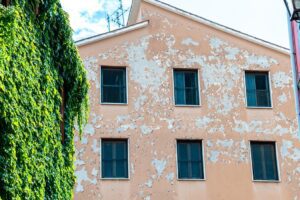
A residential building with a partly damaged orange facade captured during the daytime

Inside Out Painting has built a strong reputation across Morris, Essex, Union, and Passaic Counties because:

  • We don’t skip prep.
  • We don’t use cheap paint.
  • We repair surfaces before painting.
  • Our painters are full-time, not short-term hires.
  • We schedule painting based on weather, not convenience.

If you want an exterior paint job that actually lasts, our team delivers high-quality craftsmanship backed by years of experience.

Call Today for a Long-Lasting Exterior Paint Job

If your exterior paint is failing or you’re planning your next project, our team can inspect your home and explain exactly what it needs.

Call Inside Out Painting at 973-743-8800 to schedule your free estimate.

Deck Restoration Tips for Surviving New Jersey Winters

Deck Restoration Tips for Surviving New Jersey Winters

How to Protect and Restore Your Deck Before Harsh New Jersey Winters

Homeowners across New Jersey, from Montclair to Morristown, know how brutal winters can be on wood decks. When freezing rain, ice, and snow settle in, even the sturdiest boards can warp, crack, or peel if they aren’t properly protected. The frustration? You spend good money staining your deck each summer, only to find it dull, faded, or splintering by spring. That’s where Inside Out Painting, New Jersey’s trusted painting and deck restoration experts, step in, helping local homeowners restore and protect their decks so they last through every season, no matter how harsh the weather gets.

Why Deck Restoration Matters Before Winter Hits

New Jersey winters bring extreme temperature swings, freezing moisture, and heavy snow loads, all of which can penetrate unsealed wood. When water freezes inside the grain, it expands, causing cracks, warping, and peeling stain. The result? Costly repairs and an unsafe, weathered deck by spring.

Proper restoration before winter acts like armor. By cleaning, sealing, and inspecting your deck early, you can prevent water intrusion and preserve the structure’s integrity for years to come.

Step 1: Deep Clean and Clear the Deck

  • Before any coating or sealing, start by giving your deck a thorough cleaning. Sweep away leaves, dirt, and debris that can trap moisture and cause damage. Then, use a professional-grade deck cleaner (specific to wood or composite) to lift mildew and embedded grime.

Pro Tip: Clean on a mild, overcast day to prevent streaking or flash drying. Once washed, allow the surface to dry completely—usually 24 to 48 hours—before proceeding to repairs or sealing.

Step 2: Inspect for Damage and Loose Hardware

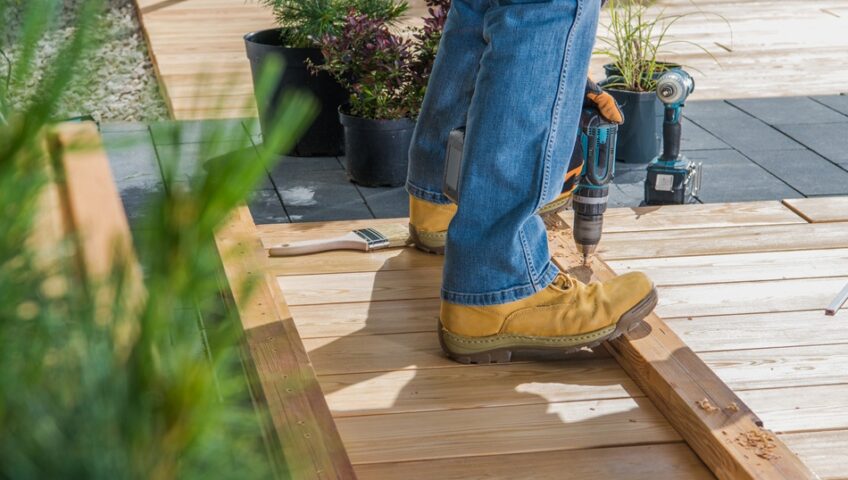
  • Walk your deck carefully and check for loose nails, soft spots, cracked boards, or wobbly railings. Address these now because freezing conditions only worsen existing damage. Tighten screws, replace any weakened boards, and sand down rough patches to ensure a smooth, even surface.

Inside Out Painting’s restoration team often finds that early intervention saves homeowners hundreds in springtime repairs.

Step 3: Seal and Stain for Maximum Protection

A high-quality, water-repellent sealant is your deck’s best defense against New Jersey’s snow and sleet. Choose a formula that provides both moisture resistance and UV protection.

  • For natural wood decks: opt for an oil-based stain with deep penetration.
  • For composite materials: use a specialized sealer designed for synthetic decking.

Apply your sealant evenly and let it cure before temperatures drop below 50°F. This creates a protective barrier that keeps out water and prevents fading or splitting during winter.

Step 4: Prep and Store Outdoor Furniture

  • Planters, rugs, and patio furniture trap moisture beneath them. Move everything off the deck, clean it, and store it in a dry area, such as a garage or shed. If storage isn’t possible, prop furniture on wooden blocks or rubber mats to allow airflow underneath.

Step 5: Cover and Protect the Deck Surface

  • If your deck won’t be used during the winter, cover it with a breathable tarp or a weatherproof cover. Avoid plastic sheeting, which can trap condensation and lead to rot. Secure the cover tightly to prevent wind damage.

Step 6: Snow and Ice Management During Winter

When snow arrives, clear it promptly to prevent buildup and ice damage:

  • Use a plastic shovel or a soft-bristled broom. Metal tools can scratch the wood and remove the finish.
  • Avoid rock salt and harsh deicers. Instead, use calcium magnesium acetate (CMA), which is safer for both decks and surrounding landscaping.
  • Shovel along the grain (not across) to prevent gouging or surface damage.
  • Check gutters and downspouts to ensure melting snow drains properly away from the deck.

Step 7: Don’t Forget Post-Winter Maintenance

When spring returns, inspect your deck again. Look for fading, peeling, or water spots; early signs that it may need a fresh coat of stain or sealant. Regular maintenance every year or two helps extend your deck’s lifespan dramatically, especially in a climate as unpredictable as New Jersey’s.

People Also Ask

Protect and Restore Your Deck Before Harsh New Jersey Winters

Can you refinish a deck in the winter?

It’s best to refinish before winter arrives, as cold temperatures prevent proper curing. However, if the weather permits (above 50°F and dry), you can perform small touch-ups during mild days.

How to make a deck usable in winter?

Use outdoor heaters, weatherproof rugs, and covered pergolas to make the space cozy. Always clear snow and ice to ensure safety and prevent slipping.

How to protect decking in the winter?

Seal it before freezing weather, clear snow promptly, and avoid salt or harsh ice melts. Regular inspections help catch damage early.

What is the 30cm rule for decking?

This rule refers to maintaining a minimum 30cm clearance between the deck and the ground for ventilation, which helps prevent moisture buildup and rot.

Trust New Jersey’s Deck Restoration Experts

If all this prep sounds like a lot to handle, you’re not alone. Many homeowners simply don’t have the time or tools to do it right before the first frost. That’s where Inside Out Painting makes it easy. Their experienced team restores, seals, and protects decks across Morris, Essex, Union, and Passaic Counties, leaving your outdoor space ready to weather the winter beautifully.

Call 973-743-8800 today to schedule your complimentary estimate and ensure your deck remains strong, safe, and stunning throughout every season.

Can You Safely Power Wash Siding, Brick, and Decks?

Is Power Washing Safe for Siding, Brick, and Decks?

Can You Safely Power Wash Siding, Brick, and Decks?

Homeowners across Morris, Essex, Union, and Passaic Counties know how quickly New Jersey weather can take a toll on their homes’ exteriors. From green algae creeping up vinyl siding to mildew streaks on brick or a dull, gray deck surface, it’s tempting to blast everything clean with a pressure washer. However, here’s the thing: if done incorrectly, power washing can do more harm than good, leaving behind cracked siding, scarred wood, or eroded mortar. That’s why many homeowners turn to Inside Out Painting, where trained professionals know how to safely restore your home’s beauty using the right tools, techniques, and care.

Understanding Power Washing vs. Soft Washing

Before we delve into the details, it’s essential to recognize that not all washing methods are the same.

  • Power washing uses high-pressure water to remove dirt, mold, and grime.
  • Soft washing combines lower pressure with cleaning solutions that gently lift contaminants.

For delicate materials like wood siding or decks, the soft wash method is safer and more effective. Professionals at Inside Out Painting adjust the pressure and cleaning agents based on your home’s materials to ensure thorough yet damage-free cleaning.

Is Power Washing Safe for Vinyl and Wood Siding?

Vinyl siding is durable, but not indestructible. When pressure is too high or the spray angle too direct, water can get forced behind the panels, leading to hidden mold and water damage.

Safe technique for vinyl siding:

  • Use a 25°–40° nozzle
  • Maintain 1200–1500 PSI
  • Keep the nozzle at a 45-degree angle and at least 12–18 inches away.

Wood siding, on the other hand, is more delicate. Too much pressure can strip away paint or stain, leaving grooves in the grain. Professionals typically use soft washing with 800–1200 PSI and a 40° fan tip, moving with the grain to protect the surface.

Pro tip: Always test a small area first before cleaning the entire surface.

Is Power Washing Safe for Brick Walls?

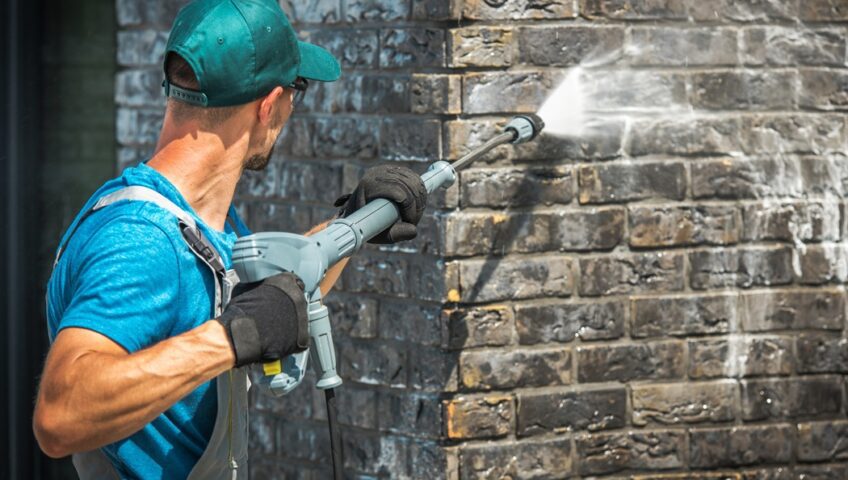
Brick is strong, but the mortar joints holding it together are not. High pressure can erode the mortar, chip brick faces, or drive moisture deep into the wall, causing long-term structural damage.

Safe technique for brick:

  • Inspect for cracks or loose mortar before washing.
  • Use a 25° or 40° fan nozzle and mild, non-acidic cleaners.
  • Stick to 1200–1500 PSI for best results.

For older brickwork, Inside Out Painting often recommends a gentler approach or pre-treatment to loosen grime before rinsing.

Is Power Washing Safe for Decks (Wood & Composite)?

Decks are one of the most commonly damaged surfaces from DIY power washing. Even a little too much pressure can splinter boards or fuzz up the wood grain.

Wood decks:

  • Use 500–1200 PSI and a 40° fan tip.
  • Work parallel to the boards.
  • Use deck-specific cleaning solutions rather than bleach or harsh chemicals.

Composite decks:

For best results, follow the manufacturer’s guidelines. Many recommend soft washing or even garden-hose rinsing. High pressure can compromise the deck’s finish or structure.

If you’re unsure what your deck material can handle, our team at Inside Out Painting can assess it and recommend the safest cleaning method.

Essential Power Washing Safety Tips for Every Surface

  1. Test first: Try an inconspicuous spot to gauge results.
  2. Maintain distance: Keep at least 12 inches from the surface at all times.
  3. Avoid 0-degree nozzles: They can instantly etch, scar, or puncture materials.
  4. Protect surroundings: Cover plants, close windows, and block electrical outlets.
  5. Call a pro if unsure: A trained technician can prevent thousands in damage.

Common Homeowner Questions (People Also Ask)Is Power Washing Safe for Decks Wood & Composite

Can power washing damage siding?

Yes, if done incorrectly. Excessive pressure or wrong angles can crack vinyl or push water behind panels.

Can you power wash brick siding?

Yes, but with caution. Use moderate pressure and a wide-angle nozzle to avoid damaging mortar joints.

Does pressure washing damage decking?

It can if the pressure is too high. Using a deck-specific cleaner or soft washing is safer.

Where should you not use a pressure washer?

Avoid windows, electrical panels, roofs, and delicate materials like shingles or old mortar.

Power washing can absolutely be safe for siding, brick, and decks, if done properly. The right combination of water pressure, technique, and cleaning solution makes all the difference between a fresh, spotless surface and costly damage.

If you’re unsure about your home’s materials or just want guaranteed results without the risk, let the professionals at Inside Out Painting handle it for you. With over a decade of trusted service across Northern New Jersey, their team knows how to bring out your property’s best, safely and effectively.

Call 973-743-8800 today or visit our website to schedule your power washing service.