
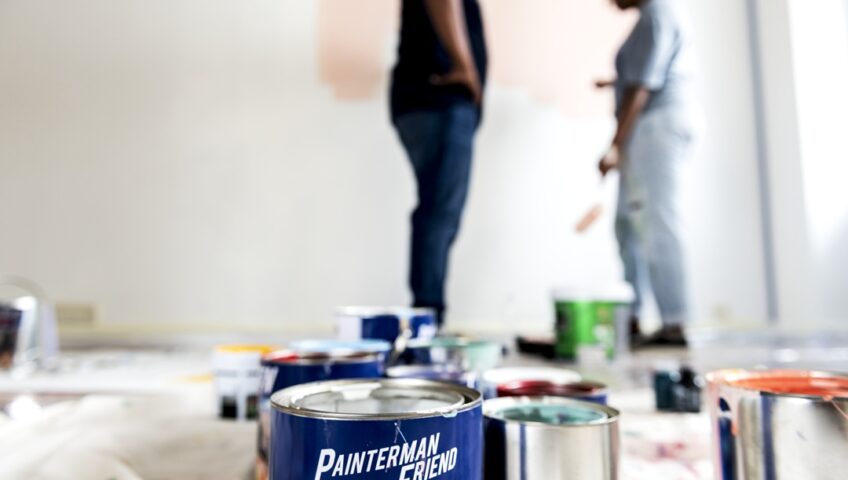
The Hidden Impact of Poor Paint Jobs on Home Value and Comfort
If you’re a New Jersey homeowner, you probably know that painting your home is one of the easiest ways to refresh its look, but not all paint jobs are created equal. Maybe you’ve noticed uneven lines on your walls, dull patches where color faded too soon, or peeling corners near your trim. Beyond looks, poor paintwork can quietly reduce your home’s value, damage your walls, and even affect your comfort indoors. That’s exactly why so many homeowners across Morris, Essex, Union, and Passaic Counties turn to Inside Out Painting, LLC. It is a trusted, family-run team that brings professional craftsmanship, precision, and care to every home we paint.
How Poor Paint Jobs Hurt Your Home’s Value
Even before someone steps inside your home, paint tells a story, and the wrong one can cost you.
1. It Destroys Curb Appeal
- When paint fades, cracks, or peels, it gives off an impression of neglect. A potential buyer might not even make it past the front door if your exterior looks tired. Studies show that curb appeal can influence up to 10% of a home’s resale value, meaning a sloppy exterior could easily cost thousands.
2. It Signals Poor Maintenance
Uneven paint or visible wear makes buyers assume other parts of the home weren’t cared for either. It’s a silent red flag that suggests possible issues with plumbing, roofing, or structural upkeep.
3. It Leaves a Bad First Impression
- First impressions form within seconds. A streaky living room wall or mismatched color in the hallway can make your home feel dated or cheap, even if everything else is in great shape.
4. It Can Lower the Sale Price
Real estate agents often note that homes with dull, outdated paint sell more slowly and for less money. A professional, clean repaint can make your home feel newer, larger, and better maintained.
How Poor Paint Jobs Affect Comfort Indoors
Bad painting doesn’t just look bad: it can actually make your home less healthy and less enjoyable to live in.
1. It Worsens Indoor Air Quality
- Old or low-quality paint tends to crack and collect dust. In humid areas like bathrooms or basements, it can also trap moisture, leading to mildew and poor air quality, especially in older NJ homes without great ventilation.
2. It Hides Bigger Problems
Peeling or bubbling paint often covers deeper issues like leaks, water intrusion, or wood rot. A professional painter doesn’t just paint over those; they identify and address them before applying new coats.
3. It Provides Less Protection
- Paint isn’t just decorative: it’s your home’s first line of defense against the elements. A poorly applied coat can let moisture seep in, causing damage that’s expensive to fix later.
4. It Affects How You Feel in Your Space
Dull or uneven walls give the entire room a shabby appearance. Good paintwork adds light, freshness, and comfort. Bad paint, on the other hand, can make even a clean home feel gloomy.
What Happens If You Don’t Repaint at All?
Neglecting your paint altogether is just as bad as a poorly done job. Over time, paint naturally breaks down from exposure to light, heat, and moisture. When that protective layer fades, your drywall or siding becomes vulnerable to damage. Cracked paint also lets humidity inside, increasing the risk of mold, especially in New Jersey’s variable climate.
The rule of thumb:
- Interior: Repaint every 5–7 years, sooner for high-traffic rooms.
- Exterior: Every 7–10 years, depending on exposure and paint quality.
Why Professional Interior Painting Is Worth It
Hiring professionals like Inside Out Painting for interior painting means more than just neat edges. It means proper surface prep, high-quality paints designed to last, and detailed craftsmanship that makes your investment worthwhile. Our team knows the climate challenges unique to North Jersey, from humid summers to dry winters, and how to choose paints that hold up beautifully in every season.
FAQs
Does paint increase the value of your home?
Yes. A professional paint job can boost curb appeal and resale value by making your home look well-maintained and move-in ready.
What happens if you never paint your house?
The paint layer breaks down, exposing the surface to moisture and damage. Over time, this can lead to mold, rot, or costly repairs.
What are the negative effects of a poor paint job?
Poor adhesion, uneven finishes, and low-quality products can lead to fading, peeling, and even hidden structural damage beneath the surface.
How often should you repaint interior walls?
Every 5–7 years for most rooms, or sooner for high-use areas like kitchens and hallways.
Ready to Protect and Beautify Your Home?
A quality paint job does more than update your walls: it protects your investment, improves air quality, and enhances how you feel at home. Whether you’re refreshing a single room or your entire house, Inside Out Painting delivers long-lasting, professional results that make a real difference.
Call us today at (973) 743-8800 to schedule your free interior painting estimate and experience the difference that true craftsmanship makes.